






Marriage Is Not a Checklist: Understanding Real Compatibility
Why Boxes Ticked Don’t Guarantee Happiness—and What Truly Does
Introduction: When “Perfect on Paper” Still Fails
In modern marriage searches, especially among educated and well-established families, one pattern appears again and again: profiles are evaluated like résumés. Age? Check. Education? Check. Job? Check. Family background? Check. Height, income range, location, lifestyle—everything neatly measured and approved.
And yet, despite all boxes being ticked, many of these marriages struggle quietly or collapse entirely.
This leads to an uncomfortable but essential realization: marriage is not a checklist.
Compatibility—the kind that sustains a marriage through stress, change, disappointment, and growth—cannot be reduced to bullet points. It is not something that can be verified through documents alone or predicted by social status.
This article explores why checklist-based matchmaking often fails, what real compatibility actually means, and how individuals and families can make marriage decisions that go beyond appearances and lead to long-term emotional stability.
The Rise of Checklist Thinking in Marriage
Why Checklists Feel Safe
Checklists offer clarity and control. In uncertain decisions like marriage, they provide a sense of structure:
- If all criteria match, the decision feels “logical”
- Families feel reassured they did due diligence
- Risk appears minimized
- Social accountability is easier (“Everything matched, what could go wrong?”)
In high-pressure societies, especially among elite or professional circles, checklist thinking feels responsible and respectable.
But safety on paper does not always translate to safety in life.
How Matrimonial Culture Encouraged This Mindset
Marriage platforms, biodata formats, and even family discussions have reinforced checklist thinking by focusing on:
- Salary brackets
- Educational institutions
- Family status
- Physical attributes
- Age and location
What gets measured gets valued. What doesn’t get measured—emotional depth, conflict style, adaptability—often gets ignored.
Why Checklists Fail in Real Life
Human Beings Are Not Static Profiles
A checklist captures a moment in time. Marriage unfolds over decades.
People change:
- Careers evolve
- Health fluctuates
- Personal priorities shift
- Emotional needs grow
A marriage that depends only on static criteria struggles when life becomes dynamic.
Compatibility Is Contextual, Not Absolute
Two people may seem compatible on paper but incompatible in daily life. Compatibility is revealed through:
- Stress
- Disagreement
- Financial pressure
- Family conflict
- Loss and disappointment
Checklists cannot simulate these realities.
Checklists Ignore Emotional Intelligence
A person can be highly educated, financially stable, and socially respected—and still emotionally unavailable, conflict-avoidant, or controlling.
Emotional intelligence rarely appears on biodata, but it determines:
- How conflicts are handled
- Whether empathy exists
- How safe a partner feels emotionally
What Real Compatibility Actually Means
Emotional Compatibility: The Core Foundation
Emotional compatibility is the ability to:
- Understand each other’s feelings
- Respond with empathy rather than defensiveness
- Create emotional safety
- Be vulnerable without fear
Without emotional compatibility, even the most “ideal” match feels lonely.
Communication Compatibility
Compatibility is not about never arguing—it’s about how arguments happen.
Key questions include:
- Can disagreements happen without disrespect?
- Is listening valued as much as speaking?
- Are issues discussed or avoided?
- Is silence used as punishment?
Communication style predicts marital health far better than social status.
Values Alignment
Values shape everyday decisions:
- Money management
- Family involvement
- Gender roles
- Career priorities
- Parenting philosophy
- Lifestyle choices
Two people can share religion and culture yet differ deeply in values. Checklist items rarely capture this nuance.
The Myth of “Everything Matches”
Why “Perfect Matches” Create Pressure
When a match is described as “perfect,” expectations skyrocket. Couples feel pressure to:
- Always be happy
- Avoid admitting problems
- Maintain appearances
This prevents honest conversations and delays conflict resolution.
Why Imperfect Matches Often Do Better
Couples who enter marriage aware of differences tend to:
- Communicate more
- Adjust expectations
- Grow intentionally
- Seek solutions early
Acceptance is more powerful than perfection.
Compatibility vs Similarity: Not the Same Thing
Similarity Is Easy, Compatibility Is Deep
Similarity includes:
- Same education level
- Same social background
- Same lifestyle
Compatibility includes:
- Mutual respect despite differences
- Emotional responsiveness
- Adaptability
Similarity creates comfort; compatibility creates resilience.
When Too Much Similarity Backfires
Excessive similarity can lead to:
- Power struggles
- Ego clashes
- Competition instead of cooperation
Healthy marriages often balance similarity with complementary differences.
How Families Contribute to Checklist Marriages
Social Comparison Pressure
Families fear judgment:
- “What will people say?”
- “Is the family good enough?”
- “Does this match reflect our status?”
As a result, decisions prioritize optics over substance.
Fear of Responsibility
Checklist decisions feel defensible. If something goes wrong, families can say:
“We checked everything.”
This shifts responsibility away from emotional evaluation—which is harder but necessary.
Gendered Impact of Checklist Marriages
Impact on Women
Women are often evaluated on:
- Age
- Appearance
- Adjustability
- Family background
Emotional needs may be dismissed as secondary, leading to long-term dissatisfaction.
Impact on Men
Men face pressure to:
- Provide financially
- Uphold family status
- Suppress emotional expression
Their emotional compatibility is rarely examined, leading to unaddressed emotional gaps.
Real Compatibility Reveals Itself Over Time—But Signals Exist Early
How Someone Handles Discomfort
Pay attention to:
- Response to disagreement
- Reaction to boundaries
- Ability to apologize
- Willingness to self-reflect
These matter more than achievements.
Attitude Toward Growth
Ask:
- Is this person open to learning?
- Can they accept feedback?
- Do they evolve or resist change?
Marriage requires growth—not fixed perfection.
Why Educated People Often Struggle More
Ironically, highly educated individuals often rely more on checklists because:
- They value logic
- They fear emotional risk
- They want control over outcomes
But marriage is not a math problem—it’s a human relationship.
The Role of Professional Matchmaking
Responsible marriage media go beyond biodata by:
- Observing communication patterns
- Understanding family dynamics
- Filtering emotionally compatible matches
- Managing expectations realistically
This human layer helps prevent checklist-driven mismatches.
Moving From Checklist to Conscious Choice
Ask Better Questions
Instead of:
- “Does everything match?”
Ask:
- “Can we handle life together?”
- “Do we feel safe being honest?”
- “Can we grow together?”
Accept Uncertainty
No marriage comes with guarantees. Conscious choice means accepting uncertainty while committing to effort and empathy.
Redefining Success in Marriage
Successful marriage is not:
- Zero conflict
- Perfect alignment
- Social approval
Successful marriage is:
- Emotional safety
- Mutual respect
- Honest communication
- Shared responsibility
- Willingness to work through discomfort
Conclusion: Marriage Is a Relationship, Not a Résumé
Checklists simplify decisions—but marriage is not simple. It is complex, emotional, evolving, and deeply human.
Boxes can be ticked. Compatibility must be lived.
The marriages that last are not those with the most impressive profiles, but those where two people choose understanding over ego, effort over appearances, and growth over perfection.
When marriage stops being a checklist and starts being a conscious partnership, it becomes not just sustainable—but meaningful.
Marriage Is Not a Checklist (Part 2)
Going Deeper Into Emotional Reality, Power Dynamics, and Long-Term Compatibility
When Logic Dominates Emotion: A Silent Marriage Problem
In many modern marriages, especially among educated and high-status families, logic dominates decision-making. Logical thinking is respected, rewarded, and encouraged. Emotional reasoning, on the other hand, is often viewed as weak, irrational, or risky.
As a result, people enter marriage believing:
- “This match makes sense.”
- “There is no real reason to say no.”
- “Everything aligns logically.”
But marriage does not operate on logic alone. It operates daily in emotional spaces—tone of voice, unspoken expectations, moods, fatigue, disappointment, and vulnerability.
When emotional compatibility is missing, logical alignment becomes irrelevant over time.
A marriage can survive poor timing or limited resources, but it struggles to survive emotional neglect.
Compatibility Reveals Itself After Marriage—But Its Absence Leaves Early Clues
Many families believe compatibility can only be tested after marriage. While it is true that marriage reveals deeper layers, warning signs often exist beforehand—they are simply ignored because they do not appear on checklists.
Early signals include:
- One-sided conversations
- Avoidance of difficult topics
- Inflexibility disguised as “strong principles”
- Emotional coldness framed as “maturity”
- Control framed as “care”
These signs are often rationalized because everything else looks ideal.
Checklist thinking trains people to ignore intuition.
The Danger of “Adjust Later” Mentality
One of the most damaging beliefs in marriage decisions is:
“Adjustment will happen after marriage.”
Adjustment is possible—but only when both partners have emotional willingness.
Adjustment fails when:
- One partner believes change is unnecessary
- Emotional needs are dismissed as overreaction
- Power dynamics are unequal
- Communication is defensive rather than open
Adjustment is not automatic. It is a skill—and skills require willingness, not pressure.
Power Dynamics: The Compatibility Nobody Talks About
Compatibility is deeply affected by power, yet power rarely appears in marriage discussions.
Power shows up in:
- Who makes final decisions
- Whose career is prioritized
- Whose emotions are taken seriously
- Who must compromise more
- Who is allowed to say “no”
A checklist cannot measure power imbalance, but power imbalance determines marital happiness more than income or education.
When power is unequal, resentment replaces intimacy.
Emotional Safety: The Invisible Requirement
Emotional safety means:
- You can express fear without being mocked
- You can disagree without being threatened
- You can be vulnerable without punishment
- You can fail without losing respect
Many marriages look stable externally but lack emotional safety internally.
Without emotional safety:
- Communication becomes strategic
- Honesty feels dangerous
- Silence becomes survival
Checklist matches often ignore emotional safety because it cannot be proven—it must be felt.
Why “Respectable” Marriages Often Hide Loneliness
Some of the loneliest people are married to partners who are socially ideal.
From the outside:
- The couple looks successful
- Families appear proud
- Social status is intact
Inside:
- Conversations are shallow
- Emotional needs go unmet
- Loneliness exists within togetherness
This is the cost of marrying a profile instead of a person.
Compatibility During Crisis: The Ultimate Test
Real compatibility is revealed during:
- Financial loss
- Health issues
- Career failure
- Family conflict
- Emotional burnout
Checklist compatibility collapses during crisis because:
- Expectations were unrealistic
- Emotional coping styles differ
- Support becomes conditional
Emotionally compatible couples may struggle—but they struggle together.
The Role of Ego in Checklist Marriages
Checklist marriages often protect ego more than connection.
Ego-driven questions include:
- “Is this match good enough for us?”
- “What will people think?”
- “Are we settling?”
Connection-driven questions sound different:
- “Do we feel understood?”
- “Can we trust each other emotionally?”
- “Do we grow calmer together?”
When ego leads, compatibility follows last.
Compatibility Is Not Comfort—It Is Capacity
Many people confuse comfort with compatibility.
Comfort is:
- Familiar background
- Similar lifestyle
- Shared social circle
Compatibility is:
- Capacity to handle discomfort
- Capacity to repair after conflict
- Capacity to listen when triggered
- Capacity to change when necessary
Comfort disappears under pressure. Capacity sustains marriage.
How Trauma Shapes Compatibility
Unresolved emotional trauma affects:
- Attachment style
- Trust
- Conflict response
- Emotional availability
Two “perfect” profiles can clash deeply if trauma responses collide.
Checklist thinking ignores trauma because it is invisible—but trauma shapes relationships silently.
Attachment Styles: A Missing Compatibility Layer
People attach differently:
- Secure
- Anxious
- Avoidant
- Disorganized
Attachment mismatch creates:
- Push-pull dynamics
- Fear of closeness
- Fear of abandonment
- Emotional exhaustion
Understanding attachment is far more predictive than matching résumés.
Why Compatibility Is a Process, Not a Discovery
Compatibility is not something you find—it is something you build.
But it can only be built if:
- Both partners are emotionally available
- Growth is mutual
- Accountability exists
- Effort is consistent
Checklists assume compatibility is discovered instantly. Real marriage proves compatibility evolves.
Family Pressure vs Emotional Truth
Many individuals suppress emotional doubts because:
- Family approval feels urgent
- Saying “no” feels selfish
- Time pressure exists
But emotional truth does not disappear—it waits.
Ignored doubts often return as:
- Chronic dissatisfaction
- Emotional withdrawal
- Conflict escalation
- Silent resentment
Marriage magnifies what was ignored.
Compatibility in Daily Life (Where Marriages Actually Live)
Marriage lives in ordinary moments:
- How mornings begin
- How stress is handled
- How silence is treated
- How apologies are made
- How fatigue is respected
No checklist prepares couples for daily emotional labor.
Why Some Marriages Look Calm but Are Emotionally Dead
Absence of conflict does not equal compatibility.
It may indicate:
- Emotional shutdown
- Avoidance
- Fear of expression
- Learned helplessness
Healthy compatibility includes disagreement and repair.
Rethinking “Sacrifice” in Marriage
Sacrifice is often glorified—but compatibility determines whether sacrifice feels meaningful or damaging.
When sacrifice is one-sided:
- Love turns into obligation
- Care turns into resentment
Healthy compatibility balances sacrifice with appreciation and reciprocity.
The Cost of Choosing “Safe” Over “Connected”
“Safe” matches often mean:
- No social criticism
- Predictable structure
- Low visible risk
But emotional safety and social safety are not the same.
Many choose social safety and pay with emotional loneliness.
Compatibility and Sexual Intimacy (Often Ignored)
Sexual compatibility is not about performance—it is about:
- Emotional closeness
- Communication
- Respect
- Comfort with vulnerability
Checklist silence around intimacy creates lifelong frustration.
Why Many Couples Say “We Are Fine” But Feel Empty
“Fine” often means:
- No major conflict
- Functional cooperation
- Emotional numbness
Compatibility creates fulfillment, not just functionality.
Marriage as a Living System
Marriage is not a one-time decision—it is a living system requiring:
- Feedback
- Adaptation
- Repair
- Growth
Checklists freeze marriage at the start. Life keeps moving.
The Role of Conscious Matchmaking
Ethical marriage media move beyond biodata by:
- Observing emotional patterns
- Managing expectations
- Encouraging honest conversations
- Preventing forced matches
This human intervention protects long-term compatibility.
Redefining “Successful Marriage”
A successful marriage is not:
- Long-lasting at any cost
- Socially impressive
- Conflict-free
A successful marriage is:
- Emotionally alive
- Respectful
- Adaptable
- Safe
- Honest
Final Reflection: Compatibility Is Felt, Not Verified
You cannot verify compatibility the way you verify documents.
You can only experience it through:
- Conversation
- Conflict
- Vulnerability
- Time
- Emotional honesty
Marriage is not about choosing the best option.
It is about choosing the right relationship.
When marriage stops being a checklist, it becomes a conscious, human commitment—flawed, demanding, but deeply meaningful.
Compatibility Is Tested in Ordinary Moments, Not Big Promises
Most people believe compatibility is proven through serious conversations—discussing finances, future plans, children, or living arrangements. While these conversations are important, real compatibility often reveals itself in ordinary, unplanned moments.
How someone reacts when they are tired, stressed, or disappointed tells you more than how they behave during formal meetings. The way a partner responds to small frustrations—traffic, delays, misunderstandings, or changes in plan—shows their emotional regulation. Marriage is lived mostly in these small, unscripted situations.
A person may agree with all major life plans but still be emotionally exhausting to live with daily. Compatibility is not only about shared dreams; it is about shared emotional rhythms.
Growth Compatibility: Can You Evolve Together?
One of the most overlooked aspects of compatibility is growth pace. People grow at different speeds—emotionally, intellectually, spiritually, and professionally. Problems arise when one partner evolves and the other resists change.
Growth compatibility asks:
- Can both partners accept that change is inevitable?
- Is curiosity valued over rigidity?
- Can success and failure be handled without insecurity?
A marriage fails not only when people are incompatible, but when they become incompatible over time and lack the tools to reconnect. Checklist matches rarely consider whether two people can grow together without fear, competition, or resentment.
Compatibility Is Also About Repair, Not Perfection
Every marriage experiences misunderstandings, hurt feelings, and conflict. What separates healthy marriages from unhappy ones is not the absence of problems, but the ability to repair.
Repair includes:
- Taking responsibility without defensiveness
- Apologizing sincerely
- Making changes after conflict
- Rebuilding trust gradually
Some people are good at starting relationships but poor at repairing them. No checklist identifies repair capacity, yet it is one of the strongest predictors of marital longevity.
When Compatibility Is Ignored, Silence Replaces Intimacy
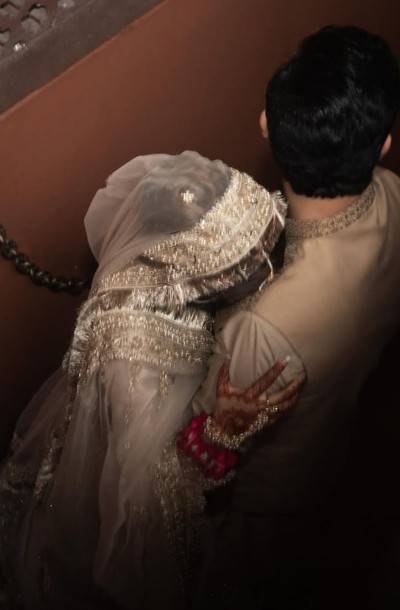
In many marriages, emotional disconnection does not show up as loud conflict—it shows up as silence. Conversations become functional. Affection becomes routine. Emotional sharing feels unnecessary or risky.
This slow fading is often the result of early compatibility signals being ignored. When people feel unseen or misunderstood for long periods, they stop trying. Marriage continues in structure, but intimacy quietly exits.
Final Thought: Choose Depth Over Display
Marriage is not a public performance. It is a private emotional reality. Profiles, checklists, and social approval may help start a marriage, but they cannot sustain it.
Depth—emotional, psychological, and relational—is what keeps two people connected when life becomes difficult.