




Finding a Compatible Partner: Tips Inspired by Gulshan Marriage Media’s Expert Matchmakers
Finding the right life partner is one of the most important decisions a person will ever make. In today’s fast-paced urban lifestyle—especially in a city like Dhaka—this decision has become more complex than ever. Career pressures, social expectations, family involvement, digital platforms, and emotional well-being all intersect in the journey toward marriage.
While technology has made it easier to meet people, it has not necessarily made it easier to find compatibility. This is where professional matchmaking expertise becomes invaluable. Drawing inspiration from the principles and practices followed by Gulshan Marriage Media’s expert matchmakers, this article explores what true compatibility means and how individuals and families can approach partner selection with clarity, wisdom, and confidence.
This in-depth guide will help you understand:
- What compatibility really means in marriage
- Why many matches fail despite “perfect” profiles
- How experts assess long-term suitability
- Practical tips to identify the right partner
- Common mistakes to avoid
- The role of families, values, and emotional intelligence
- How professional matchmaking improves success
- Understanding Compatibility Beyond Surface-Level Traits
One of the biggest misconceptions in modern matchmaking is equating compatibility with surface-level similarities—such as age, education, profession, or appearance. While these factors matter, expert matchmakers emphasize that true compatibility goes much deeper.
What Compatibility Really Means
Compatibility is the ability of two individuals to:
- Grow together over time
- Handle conflicts constructively
- Support each other emotionally
- Align on values, beliefs, and life goals
A compatible couple doesn’t necessarily agree on everything, but they share a common foundation that allows differences to be managed respectfully.
Expert Insight
According to experienced matchmakers, many marriages struggle not because partners are “wrong,” but because they were matched based on incomplete or superficial criteria.
- Why Finding the Right Partner Is Harder Today
Modern urban life has created unique challenges in partner selection.
- Busy Lifestyles
Professionals often:
- Have limited time for social interactions
- Rely heavily on digital platforms
- Feel pressure to “decide quickly”
This can lead to rushed decisions or prolonged indecision.
- Too Many Choices
Ironically, having too many options can:
- Create confusion
- Increase unrealistic expectations
- Lead to constant comparison
Expert matchmakers observe that people often reject suitable partners while waiting for an imagined “perfect” match.
- Social and Family Pressure
In cultures like Bangladesh, marriage involves families. Conflicting expectations between individuals and families can complicate decision-making.
- Tip #1: Be Clear About Your Core Values
One of the first things expert matchmakers focus on is value alignment.
What Are Core Values?
Core values include:
- Religious beliefs
- Moral principles
- Views on family and responsibilities
- Attitude toward money
- Lifestyle preferences
Why Values Matter More Than Interests
Hobbies may change, but values tend to remain stable. A mismatch in values often leads to long-term dissatisfaction.
Action Step
Before searching for a partner, take time to reflect:
- What values are non-negotiable for you?
- Which differences can you live with?
Clarity about values prevents future regret.
- Tip #2: Understand Yourself Before Looking for a Partner
Expert matchmakers emphasize that self-awareness is the foundation of compatibility.
Key Questions to Ask Yourself
- What kind of marriage do I want?
- How do I handle stress and conflict?
- What are my emotional needs?
- Am I ready for compromise?
Why This Matters
People who understand themselves:
- Communicate expectations better
- Choose partners consciously
- Avoid repeating unhealthy patterns
Professional matchmakers often guide clients through self-assessment before introducing potential matches.
- Tip #3: Look Beyond Profiles and Biodata
Profiles and biodata are starting points—not decision tools.
Limitations of Profiles
- They highlight strengths but hide weaknesses
- They rarely reflect emotional maturity
- They cannot show communication style
Expert matchmakers use profiles only as filters, not final judgments.
What Experts Observe Instead
- How someone communicates
- Their consistency over time
- Their attitude toward family
- Their response to challenges
Compatibility is revealed through behavior, not descriptions.
- Tip #4: Emotional Intelligence Is a Deal-Breaker
One of the most critical yet underrated factors in marriage is emotional intelligence (EQ).
What Is Emotional Intelligence?
It includes:
- Self-control
- Empathy
- Ability to listen
- Managing disagreements respectfully
Why Experts Prioritize EQ
Many marriages fail not due to lack of love, but due to:
- Poor communication
- Emotional neglect
- Unresolved conflicts
A partner with strong emotional intelligence contributes to stability, trust, and long-term happiness.
- Tip #5: Compatibility Is About Lifestyle Alignment
Lifestyle compatibility plays a major role in daily marital harmony.
Key Lifestyle Factors
- Work schedules
- Social habits
- Spending patterns
- Health and wellness
- Living arrangements
Expert Matchmaking Approach
Instead of matching based only on income or status, professionals assess whether two lifestyles can realistically coexist.
Even small mismatches, if ignored, can grow into major conflicts over time.
- Tip #6: Family Compatibility Matters More Than You Think
In South Asian cultures, marriage is not just between two individuals—it is between families.
Why Family Compatibility Is Important
- Families influence decision-making
- Cultural practices vary
- Expectations around roles differ
Expert matchmakers often engage families early to:
- Reduce future conflict
- Align expectations
- Build mutual respect
Ignoring family dynamics can create long-term stress in marriage.
- Tip #7: Don’t Ignore Red Flags—But Don’t Overreact Either
Expert matchmakers are trained to distinguish between:
- Red flags (serious concerns)
- Human imperfections (normal flaws)
Common Red Flags
- Dishonesty
- Disrespectful behavior
- Inconsistency
- Lack of accountability
Common Overreactions
- Rejecting someone for minor differences
- Expecting perfection
- Misinterpreting nervousness as incompatibility
Balance is key. Experts evaluate patterns, not isolated incidents.
- Tip #8: Compatibility Develops Over Time
One of the biggest myths is that compatibility must be instant.
Expert Insight
Healthy compatibility often:
- Grows with communication
- Deepens with shared experiences
- Strengthens through mutual effort
Instant chemistry without compatibility often fades, while steady understanding lasts.
- Tip #9: Communication Style Is Crucial
How a couple communicates determines how they:
- Resolve conflict
- Express needs
- Show affection
What Experts Look For
- Willingness to listen
- Respectful disagreement
- Emotional openness
Mismatched communication styles are one of the most common causes of marital dissatisfaction.
- Tip #10: Religious and Moral Alignment
For many families, religious compatibility is foundational.
Why It Matters
- Guides daily life decisions
- Shapes parenting values
- Influences lifestyle choices
Expert matchmakers ensure that religious expectations are clearly discussed—not assumed.
- Tip #11: Avoid Comparing Your Journey to Others
Every marriage journey is unique.
The Danger of Comparison
- Creates unrealistic timelines
- Increases anxiety
- Leads to rushed decisions
Expert matchmakers encourage patience and focus on quality over speed.
- Tip #12: Professional Guidance Makes a Difference
One of the biggest advantages of expert matchmaking is objective guidance.
How Experts Help
- Offer unbiased feedback
- Identify compatibility patterns
- Prevent emotional decisions
- Mediate sensitive discussions
This guidance often prevents costly mistakes.
- Common Mistakes People Make When Choosing a Partner
Experts frequently observe these mistakes:
- Prioritizing status over character
- Ignoring emotional compatibility
- Rushing due to age pressure
- Avoiding difficult conversations
- Assuming love will “fix everything”
Awareness of these mistakes helps individuals make wiser choices.
- The Role of Patience in Finding Compatibility
Compatibility is not found—it is built.
Expert matchmakers emphasize patience because:
- The right match takes time
- Rushed decisions lead to regret
- Emotional clarity improves with reflection
Patience protects long-term happiness.
- Why Expert Matchmakers Focus on Long-Term Success
Unlike casual platforms, professional matchmakers measure success by:
- Marital stability
- Family harmony
- Emotional well-being
This long-term focus shapes every recommendation they make.
- How Gulshan Marriage Media’s Approach Inspires Better Matching
The matchmaking philosophy that inspires this article focuses on:
- Privacy and dignity
- Value-based matching
- Family involvement
- Emotional compatibility
- Ethical and cultural sensitivity
This holistic approach significantly increases the chances of meaningful, lasting marriages.
- Compatibility Is a Journey, Not a Checklist
Expert matchmakers remind clients that:
- No one meets 100% of criteria
- Flexibility matters
- Growth is mutual
Marriage is a partnership, not a performance evaluation.
- Final Thoughts: Choosing Wisely, Choosing Kindly
Finding a compatible partner is about wisdom, self-knowledge, and intention. Inspired by expert matchmaking practices, the key lies in looking beyond appearances and embracing depth, patience, and clarity.
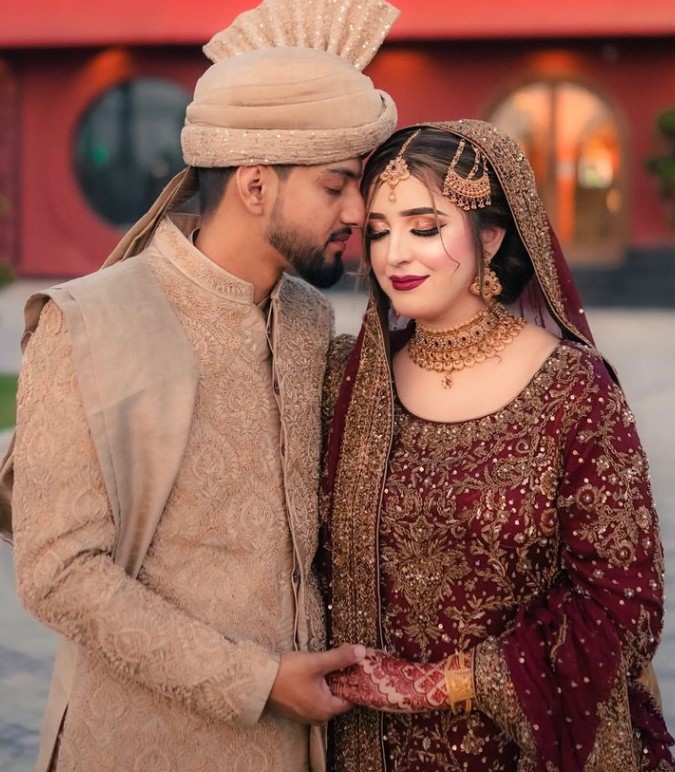
Expert Matchmakers
In a world full of noise, opinions, and endless options, true compatibility is quiet, steady, and deeply rooted.
- Compatibility as a Balance Between Logic and Emotion
One of the most valuable lessons from expert matchmakers is that compatibility is neither purely emotional nor purely logical—it is a balance of both.
Many people approach marriage from one extreme:
- Some rely entirely on emotion and attraction
- Others focus only on logic, status, and practicality
Expert matchmakers observe that both approaches alone are incomplete.
Why Emotion Alone Is Not Enough
While emotional attraction is important, marriages based only on feelings often struggle when:
- Reality replaces romance
- Responsibilities increase
- Conflicts arise
Without shared values and emotional maturity, attraction fades.
Why Logic Alone Also Fails
Marriages decided only on:
- Education
- Family background
- Financial stability
may lack emotional connection, leading to:
- Loneliness
- Emotional distance
- Unfulfilled expectations
Compatibility exists where emotional connection meets practical alignment.
- The Role of Character in Long-Term Compatibility
Expert matchmakers consistently emphasize that character outlasts charm.
What Defines Strong Character?
- Honesty
- Responsibility
- Kindness
- Patience
- Accountability
Character reveals itself not in ideal situations, but during:
- Stress
- Disagreement
- Disappointment
Many marriages fail not because partners lacked love, but because they lacked character strength to handle challenges together.
Expert Insight
Professional matchmakers prioritize character even when:
- A candidate is less impressive on paper
- Social pressure favors “better profiles”
Because character sustains marriage when everything else changes.
- Understanding Compatibility at Different Life Stages
Compatibility looks different depending on where you are in life.
Early Career Stage
Key compatibility factors:
- Career ambition alignment
- Willingness to grow together
- Flexibility
Mid-Career Stage
Focus shifts to:
- Work-life balance
- Emotional support
- Financial planning
Later Marriage or Second Marriage
Compatibility often prioritizes:
- Emotional maturity
- Peace and stability
- Mutual respect
- Family integration
Expert matchmakers adjust their evaluation based on life stage rather than applying one rigid standard.
- How Expectations Shape Compatibility
Unspoken expectations are one of the biggest threats to marital harmony.
Common Hidden Expectations
- “My partner will change after marriage”
- “Love will fix disagreements”
- “They will understand without communication”
Expert matchmakers encourage:
- Early expectation discussions
- Honest conversations about roles
- Transparency around future plans
Compatibility improves when expectations are spoken, realistic, and mutual.
- The Importance of Conflict Compatibility
Every marriage experiences conflict. The real question is:
How do two people fight—and recover?
Healthy Conflict Compatibility Includes
- Respectful disagreement
- Ability to apologize
- Willingness to compromise
- Avoidance of emotional manipulation
Expert matchmakers often assess:
- Past conflict behavior
- Emotional regulation
- Communication patterns
Because couples who resolve conflict well grow stronger over time.
- Compatibility in Decision-Making Styles
Decision-making differences often cause long-term frustration.
Common Decision Styles
- Fast vs. cautious
- Emotional vs. analytical
- Independent vs. consultative
Neither style is wrong—but mismatch without understanding leads to resentment.
Expert matchmaking helps couples:
- Recognize differences early
- Set shared decision boundaries
- Respect each other’s approach
Compatibility grows through understanding, not sameness.
- The Influence of Childhood and Upbringing
Upbringing shapes:
- Communication habits
- Emotional expression
- Conflict response
- Expectations of marriage
Expert matchmakers do not judge upbringing—but they consider its influence.
Understanding each other’s background:
- Builds empathy
- Prevents misinterpretation
- Strengthens emotional connection
Compatibility increases when partners understand why the other behaves a certain way.
- Compatibility and Financial Mindset
Money is one of the most common sources of marital conflict.
Beyond Income
Compatibility is not about how much you earn—but:
- How you spend
- How you save
- How you plan
- How you prioritize
Expert matchmakers encourage discussions on:
- Financial goals
- Debt attitudes
- Lifestyle expectations
Aligned financial values create stability and trust.
- The Role of Mutual Respect
Respect is the foundation of compatibility.
Signs of Respect
- Listening without dismissing
- Valuing opinions
- Protecting dignity
- Supporting growth
Without respect, even love becomes painful.
Expert matchmakers often say:
“Love can grow without attraction, but marriage cannot survive without respect.”
- Compatibility in Social and Personal Boundaries
Healthy boundaries protect marriages.
Key Boundary Areas
- Family involvement
- Friendships
- Privacy
- Personal space
Mismatch in boundaries leads to:
- Interference
- Resentment
- Loss of autonomy
Expert matchmakers help couples clarify boundaries early to avoid future conflict.
- Emotional Availability as a Compatibility Factor
A partner may be:
- Educated
- Responsible
- Kind
Yet emotionally unavailable.
Emotional Availability Includes
- Expressing feelings
- Responding to emotional needs
- Being present during stress
Expert matchmakers consider emotional availability essential for:
- Intimacy
- Trust
- Long-term bonding
Without it, marriages feel empty despite external success.
- Compatibility in Handling Change
Life is unpredictable:
- Career shifts
- Health challenges
- Family responsibilities
Compatibility includes the ability to:
- Adapt together
- Support during uncertainty
- Re-evaluate goals jointly
Expert matchmakers favor individuals who show flexibility and resilience, not rigidity.
- The Danger of Idealized Partner Images
Many people search for a fantasy partner, not a real human.
Problems with Idealization
- Unrealistic expectations
- Constant dissatisfaction
- Inability to appreciate real strengths
Expert matchmakers gently guide clients toward:
- Realistic expectations
- Appreciation of substance over image
Compatibility thrives in realism, not fantasy.
- Why “Good on Paper” Matches Often Fail
Expert matchmakers frequently see:
- Perfect biodata
- Strong family background
- Impressive credentials
Yet the match fails.
Why?
Because:
- Emotional connection is missing
- Communication styles clash
- Values differ
Compatibility cannot be measured only on paper—it must be experienced and evaluated holistically.
- Compatibility and Spiritual Alignment
For many, spirituality influences:
- Daily habits
- Moral decisions
- Parenting
- Purpose
Expert matchmakers emphasize discussing:
- Religious practices
- Spiritual expectations
- Personal beliefs
Spiritual alignment provides:
- Inner peace
- Shared purpose
- Emotional grounding
- The Role of Patience During the Matching Process
Expert matchmakers often remind clients:
“The right match is worth waiting for.”
Impatience leads to:
- Compromise on non-negotiables
- Rushed decisions
- Long-term regret
Patience protects future happiness.
- Compatibility After Marriage: A Continuous Process
Compatibility does not end at marriage—it evolves.
Successful couples:
- Revisit expectations
- Communicate regularly
- Grow individually and together
Expert matchmakers see marriage as:
“The beginning of compatibility-building, not the finish line.”
- Lessons Learned from Unsuccessful Matches
Experienced matchmakers treat unsuccessful matches as learning opportunities.
They encourage individuals to:
- Reflect instead of blaming
- Adjust expectations thoughtfully
- Improve self-awareness
Each experience refines compatibility understanding.
- Why Expert Matchmaking Still Matters in the Digital Age
Algorithms can match data—but not depth.
Expert matchmakers offer:
- Human intuition
- Cultural understanding
- Emotional insight
- Ethical guidance
This human layer is what transforms matching into meaningful partnership.
- Final Extended Reflection: Choosing a Partner Is Choosing a Life
Choosing a compatible partner is not about finding someone who fits a checklist. It is about choosing:
- A teammate
- A companion
- A support system
- A shared future
Inspired by expert matchmaking principles, compatibility emerges from:
- Self-awareness
- Respect
- Emotional intelligence
- Shared values
- Patience
In a world full of options, the wisest choice is intentional compatibility.
Conclusion
The journey to finding a compatible partner is deeply personal, yet it benefits greatly from expert guidance. By focusing on values, emotional intelligence, lifestyle alignment, and family harmony—as emphasized by experienced matchmakers—you significantly increase your chances of a fulfilling marriage.
Compatibility is not accidental. It is intentional.
And when approached thoughtfully, it leads not just to marriage—but to a meaningful life partnership.
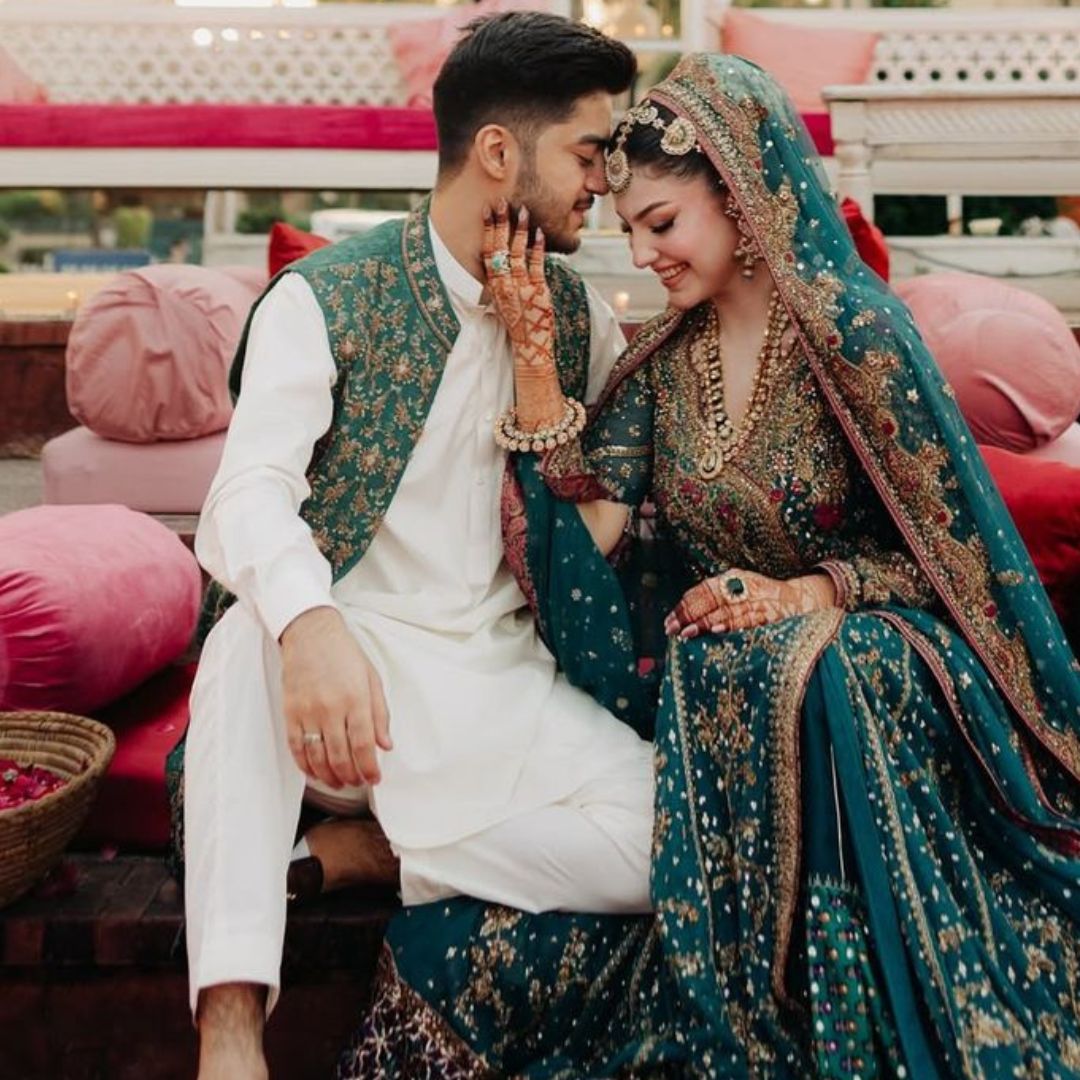
Extended Conclusion
Finding a compatible partner is one of life’s most profound journeys. As inspired by the thoughtful, ethical, and human-centered practices of professional matchmakers, compatibility is built—not discovered overnight.
By focusing on:
- Depth over display
- Character over credentials
- Values over vanity
- Growth over perfection
Individuals and families can move closer to marriages that are not only successful—but fulfilling, peaceful, and enduring.
Compatibility is not luck.
It is understanding, effort, and wisdom—applied consistently.