





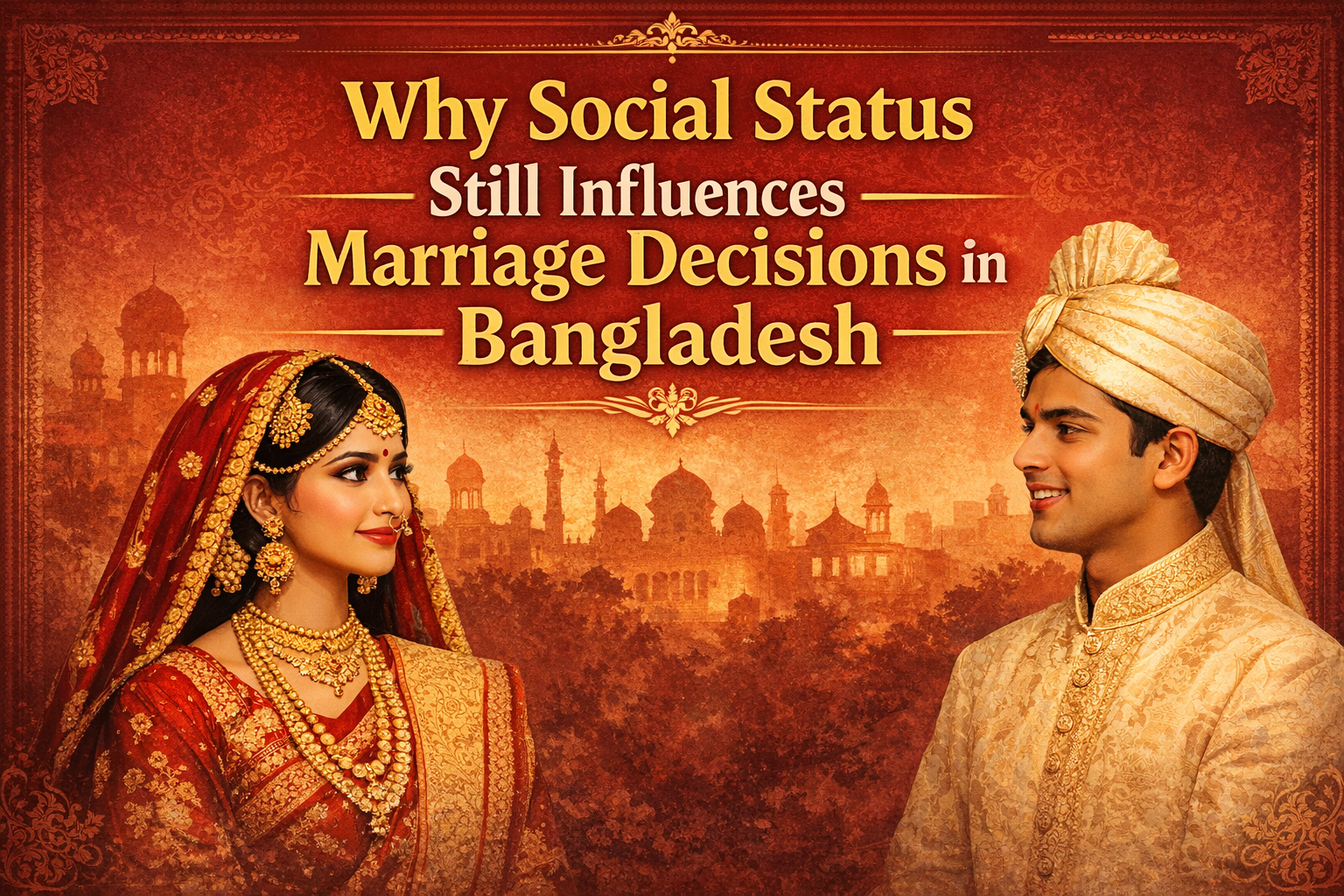
Why Social Status Still Influences Marriage Decisions in Bangladesh
Introduction
Marriage in Bangladesh is more than a personal relationship between two individuals. It is deeply connected with family reputation, cultural traditions, and social expectations. Even in the modern era—when education, globalization, and urban lifestyles are reshaping society—social status continues to play a powerful role in determining marriage decisions.
Families often evaluate potential partners based on several factors: family background, education, wealth, profession, and social reputation. These factors together create what many people refer to as “social status”. In many cases, compatibility in social status becomes just as important as emotional compatibility between the couple.
This phenomenon is particularly visible in urban areas such as Dhaka, where families from affluent neighborhoods often seek partners with similar socioeconomic backgrounds. However, the influence of social status is not limited to elite communities—it affects marriage decisions across different classes and regions of Bangladesh.
Understanding why social status still matters in marriage decisions requires exploring the country’s cultural traditions, economic realities, family expectations, and social structures.
The Historical Roots of Social Status in Marriage
The influence of social status in marriage decisions is not a modern development. It has deep historical roots in South Asian society.
Traditionally, marriages were arranged through family networks, and the main goal was to create stable alliances between families of similar background. Families evaluated potential partners based on religion, family reputation, economic stability, and cultural compatibility. (Gulshan Media)
Marriage was often viewed as a strategic union that could strengthen social ties, protect family honor, and ensure long-term stability.
Among Bengalis, marriage is also considered a union of two families rather than just two individuals. Family involvement in selecting a spouse helps maintain social relationships and community connections. (Wikipedia)
Because of this collective approach to marriage, families often feel responsible for ensuring that their children marry someone from a compatible social background.
Arranged Marriage Culture and Social Compatibility
One of the key reasons social status continues to influence marriage decisions in Bangladesh is the prevalence of arranged marriage systems.
Arranged marriages remain widely practiced across the country, with families playing a central role in finding suitable partners. Studies suggest that a large proportion of marriages in Bangladesh are arranged with family involvement. (Settle Marriage)
In arranged marriages, families usually consider several criteria when evaluating potential partners:
- Education level
- Financial stability
- Family reputation
- Religious background
- Lifestyle compatibility
These criteria often reflect the social status of both families.
Parents frequently prefer their children to marry someone with similar social and economic standing because it reduces cultural differences and potential conflicts after marriage.
The Role of Family Reputation
Family reputation is one of the most important elements of social status in Bangladesh.
In many communities, a family’s reputation is closely tied to:
- Professional achievements
- Educational background
- Social behavior
- Moral values
- Financial stability
Because marriage connects two families, parents often worry about how a potential spouse’s family reputation might affect their own social standing.
Families sometimes conduct informal background checks before approving a marriage proposal. They may ask neighbors, relatives, or community members about the other family’s lifestyle and values.
This practice reflects the belief that marriage is not only about the couple but also about maintaining social harmony and family honor.
Economic Factors and Financial Security
Economic stability is another major reason social status influences marriage decisions.
Many families believe that financial security is essential for a stable marriage. Therefore, they often prefer partners who have:
- Stable careers
- Reliable income
- Good educational qualifications
- Strong professional prospects
In Bangladesh, it is also common for families to expect the groom to have a secure job and financial stability before marriage.
This expectation reinforces the connection between economic status and marriage eligibility.
In many cases, individuals from higher socioeconomic backgrounds prefer to marry within their own class because they share similar lifestyles, expectations, and financial standards.
Education as a Symbol of Social Status
Education has become one of the most significant indicators of social status in modern Bangladesh.
Families often prioritize educational compatibility when evaluating potential marriage partners. For example:
- University graduates may prefer partners with similar academic achievements.
- Families may value degrees from prestigious institutions.
- Overseas education can increase a person’s marriage prospects.
Higher education is often associated with intelligence, career opportunities, and social prestige.
As a result, educational qualifications play a major role in shaping marriage decisions.
Urbanization and the Rise of Elite Marriage Expectations
Urbanization has intensified the influence of social status in marriage decisions.
In major cities like Dhaka, social circles are often shaped by:
- Professional networks
- Educational institutions
- Residential neighborhoods
- Lifestyle preferences
Families living in affluent neighborhoods often interact with people from similar social backgrounds.
Because of these social networks, marriage proposals often circulate within the same socioeconomic circles.
This phenomenon creates what sociologists call “social matching,” where people tend to marry partners who have similar educational, professional, and financial backgrounds.
Cultural Expectations and Social Pressure
Social pressure is another powerful factor that reinforces the role of social status in marriage decisions.
Bangladeshi society places strong emphasis on cultural traditions and family expectations. Couples who marry outside their social or cultural background may face criticism or resistance from relatives and community members.
Parents often worry about how their child’s marriage will be perceived by others.
Questions such as the following frequently arise:
- Does the partner come from a respectable family?
- Is the partner’s profession socially acceptable?
- Are the families culturally compatible?
These concerns highlight the social nature of marriage decisions in Bangladesh.
Religion and Cultural Compatibility
Religion also plays a significant role in shaping marriage choices.
Bangladesh is a culturally conservative society where religious traditions strongly influence social behavior. Discussions about relationships and sexuality are often considered sensitive topics. (Wikipedia)
Many families prefer marriages within the same religious community to ensure compatibility in values and traditions.
Religious compatibility often overlaps with social status because families with similar religious practices may also share similar cultural norms and lifestyles.
Social Status and Gender Expectations
Gender roles also influence how social status affects marriage decisions.
In many traditional settings, men are expected to be the primary financial providers. As a result, their profession, income level, and career prospects become important factors in marriage negotiations.
Women, on the other hand, may be evaluated based on different criteria such as:
- Education
- Family background
- Cultural values
- Personal character
Although these expectations are gradually evolving, they still influence how families evaluate potential marriage partners.
The Influence of Overseas Opportunities
Globalization has introduced new dimensions to social status in marriage decisions.
Many Bangladeshi families value international education or employment opportunities when evaluating potential partners.
For example, individuals who work or study abroad may be considered more desirable because they represent:
- Higher economic potential
- Global exposure
- Modern lifestyle experiences
This trend has led to increasing interest in overseas marriage proposals.
However, families still often prefer partners who share similar cultural values and social backgrounds.
Social Status in Love Marriages
Although arranged marriages remain common, love marriages are becoming more accepted among younger generations.
However, even in love marriages, social status can influence family approval.
Parents may oppose relationships if they believe the partner’s background does not align with their own family’s social standing.
Common concerns include differences in:
- Religion
- Economic status
- Educational background
These concerns demonstrate that social status continues to shape marriage decisions even when couples choose their partners independently.
The Psychological Impact of Social Expectations
Social expectations can also affect the psychological experiences of individuals seeking marriage.
Young people may feel pressure to meet certain criteria to be considered “marriageable,” such as:
- Achieving a certain level of education
- Securing a well-paid job
- Maintaining a respectable public image
These expectations can create stress and anxiety, especially for individuals who feel they do not meet societal standards.
However, social expectations can also motivate individuals to pursue education and career success.
Changing Attitudes Among Younger Generations
Despite the strong influence of social status, attitudes toward marriage are gradually changing in Bangladesh.
Younger generations increasingly value factors such as:
- Emotional compatibility
- Shared interests
- Mutual respect
- Personal happiness
Many young professionals believe that successful marriages require more than just matching social status.
As education and global exposure continue to expand, the importance of emotional intelligence and communication skills in relationships is becoming more widely recognized.
Balancing Tradition and Modern Values
Today’s marriage culture in Bangladesh reflects a balance between traditional values and modern expectations.
Families still value social compatibility, but they are increasingly willing to consider individual preferences and emotional compatibility.
In many cases, modern marriages involve collaboration between families and the couple.
This hybrid approach allows couples to benefit from both family support and personal choice.
The Future of Marriage Decisions in Bangladesh
The influence of social status in marriage decisions is unlikely to disappear completely. However, it may evolve in response to social changes.
Several trends may shape the future of marriage culture in Bangladesh:
- Greater acceptance of diverse marriage choices
- Increased emphasis on personal compatibility
- Growing importance of emotional intelligence
- Continued role of family guidance
As society becomes more globalized and interconnected, marriage decisions may become more flexible while still respecting cultural traditions.
Social status continues to influence marriage decisions in Bangladesh because marriage is deeply connected to family reputation, cultural traditions, and economic stability.
Factors such as education, profession, financial security, and family background play important roles in shaping marriage choices.
While younger generations are increasingly emphasizing emotional compatibility and personal happiness, family expectations and social norms still hold significant influence.
Rather than disappearing, the role of social status in marriage decisions is evolving. Modern marriages in Bangladesh increasingly combine traditional family values with contemporary ideas about love, partnership, and personal fulfillment.
Understanding this balance helps explain why social status remains an important factor in marriage decisions—and why it is likely to continue shaping the future of marriage in Bangladesh.
Why Social Status Still Influences Marriage Decisions in Bangladesh
Extended Analysis
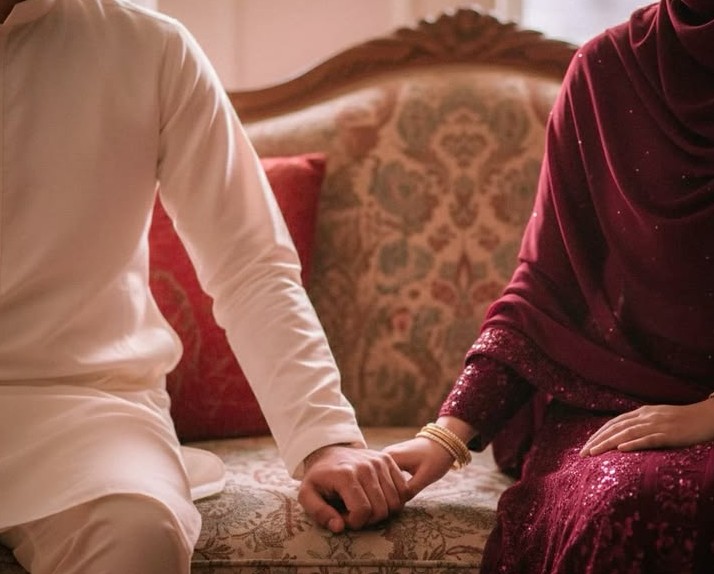
The Impact of Social Circles on Marriage Choices
In Bangladesh, social circles play a significant role in shaping marriage decisions. People tend to form friendships and professional relationships with individuals who share similar lifestyles, education levels, and financial backgrounds.
As a result, marriage proposals often come from within the same social networks.
For example, families who belong to certain professional communities—such as doctors, engineers, bankers, or business families—often prefer marriage alliances within their own circles. This pattern is not necessarily about discrimination but rather about familiarity and comfort.
People with similar social backgrounds often share comparable life experiences, expectations, and cultural values. These similarities can make communication easier and reduce potential misunderstandings after marriage.
Because of this, families frequently believe that marrying within similar social circles increases the chances of long-term relationship stability.
The Role of Lifestyle Compatibility
Lifestyle compatibility has become an increasingly important factor in marriage decisions.
Individuals from different social backgrounds may have very different lifestyles, including:
- Spending habits
- Social activities
- Travel preferences
- Career ambitions
- Family expectations
For instance, a family that values luxury living and frequent international travel may feel more comfortable accepting a marriage proposal from someone who shares similar experiences.
On the other hand, large lifestyle differences can sometimes create misunderstandings between families after marriage.
Therefore, social status is often used as a shortcut for determining lifestyle compatibility.
Families assume that individuals with similar socioeconomic backgrounds are more likely to share similar daily habits and expectations.
Marriage as a Reflection of Social Identity
In many cultures, marriage is not only a private decision but also a reflection of social identity.
In Bangladesh, weddings are often large social events that involve extended family members, relatives, colleagues, and community leaders. These celebrations sometimes serve as public demonstrations of a family’s social standing.
Because of this, some families consider how a marriage might influence their social reputation.
Questions that may arise include:
- Will this marriage strengthen our social connections?
- Does the partner’s family share our social values?
- How will this marriage be perceived by relatives and community members?
These considerations demonstrate how marriage can function as both a personal and social institution.
Social Status and Marriage Negotiations
In traditional arranged marriages, negotiations between families often take place before a final decision is made.
These discussions may involve topics such as:
- Wedding arrangements
- Financial expectations
- Future living plans
- Cultural traditions
Social status can influence these negotiations because families with similar economic backgrounds may have similar expectations regarding wedding ceremonies and lifestyle after marriage.
For example, families from affluent backgrounds may prefer elaborate wedding ceremonies, while families from modest backgrounds may prioritize simplicity.
When both families share similar expectations, negotiations tend to be smoother and more harmonious.
The Influence of Community Reputation
Community reputation is another factor that reinforces the importance of social status in marriage decisions.
In many neighborhoods and social groups, families maintain long-term reputations based on their behavior, integrity, and social contributions.
Before approving a marriage proposal, families sometimes inquire about the reputation of the other family within their community.
They may ask questions such as:
- Are they respected in their neighborhood?
- Do they have a good social reputation?
- Are they known for honesty and reliability?
These informal background checks help families feel more confident about their marriage decisions.
The Role of Marriage Media and Matchmaking Services
In recent years, professional matchmaking services have become increasingly popular in Bangladesh, especially in urban areas.
Marriage media platforms help families find potential partners by creating structured databases of profiles that include detailed information about education, profession, family background, and lifestyle.
These services often categorize profiles according to various factors, including:
- Education level
- Professional sector
- Residential location
- Family background
Because of this structured approach, marriage media platforms often reflect the same social matching patterns that already exist in society.
For example, professionals with advanced degrees may prefer partners with similar academic achievements, while business families may prioritize entrepreneurial backgrounds.
Professional matchmaking services simply organize these preferences in a more efficient way.
The Influence of Parental Expectations
Parents play a crucial role in shaping marriage decisions in Bangladesh.
Even when young people choose their own partners, parental approval often remains important.
Many parents believe that they have a responsibility to ensure that their children marry someone who can provide a stable and supportive future.
Because of this responsibility, parents often consider factors such as:
- Financial security
- Educational compatibility
- Cultural values
- Family reputation
These considerations often reflect concerns about social status.
Parents may worry that large differences in social background could lead to future misunderstandings or lifestyle conflicts.
Social Status and Marriage Timing
Social expectations can also influence the timing of marriage.
For example, many families encourage their children to complete higher education and establish stable careers before getting married.
Achieving these milestones can enhance an individual’s social status and improve marriage prospects.
In some cases, families may delay marriage proposals until the individual reaches a certain level of professional or financial stability.
This demonstrates how social status is often linked to perceptions of maturity and readiness for marriage.
The Role of Education in Changing Social Attitudes
Education is gradually changing the way people think about marriage and social status.
Young people who have studied at universities or traveled abroad often develop broader perspectives about relationships and cultural differences.
They may be more open to marrying someone from a different background if they share common values and interests.
Education also encourages critical thinking, which can help individuals question traditional assumptions about social hierarchy.
However, even among educated individuals, social compatibility often remains an important consideration.
Media Influence on Marriage Expectations
Media and popular culture also shape public perceptions of marriage.
Television dramas, films, and social media platforms often portray lifestyles associated with certain social classes.
These portrayals can influence how people imagine their future partners and married life.
For example, some individuals may aspire to marry someone with a prestigious profession or an internationally educated background.
Media narratives can reinforce the idea that certain social characteristics are associated with success and happiness in marriage.
Social Mobility and Marriage Choices
Economic development and social mobility are gradually transforming the traditional class structure in Bangladesh.
As new opportunities emerge in sectors such as technology, entrepreneurship, and international trade, individuals from diverse backgrounds are achieving professional success.
This social mobility can create new possibilities for marriage choices.
Individuals who achieve higher levels of education or career success may enter social circles that were previously inaccessible to them.
As a result, marriage patterns may become more flexible over time.
The Influence of Urban vs. Rural Culture
The role of social status in marriage decisions can differ between urban and rural areas.
In rural communities, family reputation and community connections often play a very strong role in marriage arrangements.
Urban areas, on the other hand, offer greater exposure to diverse lifestyles and cultural influences.
While social status still matters in cities, individuals may have more opportunities to interact with people from different backgrounds.
This exposure can gradually change attitudes toward marriage and social hierarchy.
The Psychological Desire for Social Equality
Another reason social status influences marriage decisions is the psychological desire for equality within relationships.
People often feel more comfortable in relationships where both partners share similar life experiences and expectations.
Large differences in financial background, education, or lifestyle can sometimes create feelings of imbalance or insecurity.
For example, one partner may feel pressured to adjust their lifestyle to match the other’s expectations.
By choosing partners from similar social backgrounds, couples may avoid these challenges.
Changing Definitions of Social Status
The concept of social status itself is evolving.
In the past, social status was primarily defined by factors such as family wealth, land ownership, or traditional professions.
Today, new factors are becoming increasingly important, including:
- Educational achievements
- Professional accomplishments
- International exposure
- Entrepreneurial success
This shift reflects broader changes in Bangladesh’s economy and society.
As new forms of social prestige emerge, marriage preferences may also evolve.
Technology and the Future of Marriage Matching
Technology is likely to continue influencing the way people find partners.
Online matchmaking platforms, social media networks, and professional marriage media services allow individuals to connect with potential partners beyond their immediate social circles.
These platforms can expand opportunities for meeting people from different backgrounds.
At the same time, many platforms still allow users to filter profiles based on education, profession, and location—factors that reflect social status.
Therefore, technology may change the methods of matchmaking without completely eliminating the influence of social hierarchy.
The Gradual Transformation of Marriage Culture
Despite the continuing influence of social status, marriage culture in Bangladesh is gradually evolving.
Several factors are contributing to this transformation:
- Increased access to higher education
- Greater economic opportunities
- Global cultural exchange
- Expanding digital communication networks
These changes are encouraging more open discussions about compatibility, equality, and mutual respect in relationships.
Final Reflection
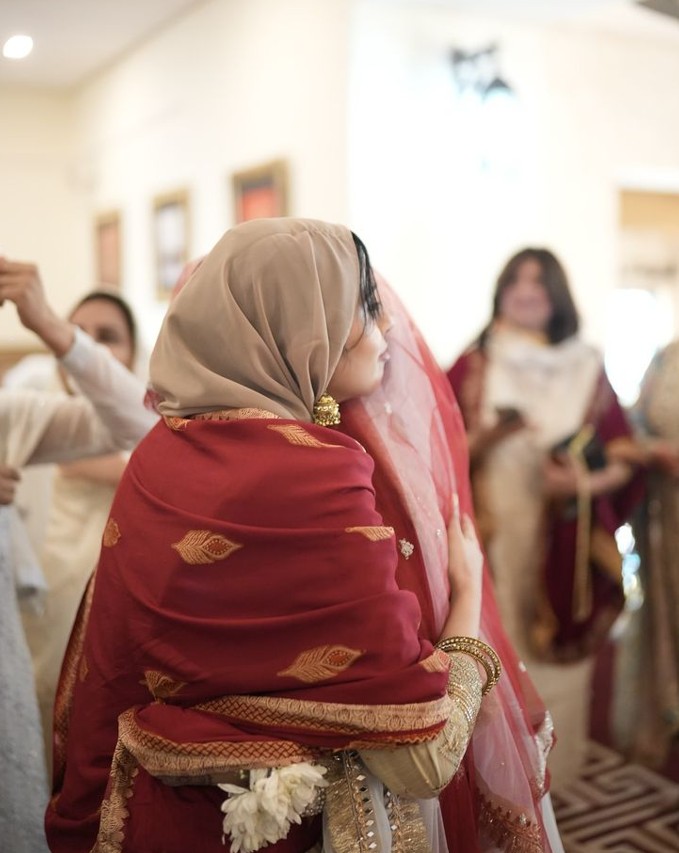
The continued influence of social status in marriage decisions in Bangladesh reflects a complex combination of historical traditions, economic realities, and cultural expectations.
While modern values are gradually reshaping the way people think about relationships, social compatibility remains an important factor for many families.
Marriage in Bangladesh is still seen as a union of families, not just individuals. As long as family reputation, economic stability, and cultural traditions remain important social values, social status will likely continue to influence marriage choices.
However, the meaning of social status is evolving. Education, emotional intelligence, and shared life goals are becoming increasingly important alongside traditional factors such as wealth and family background.
This evolving balance between tradition and modernity will shape the future of marriage culture in Bangladesh.