
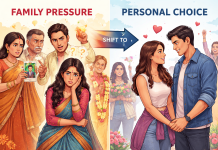


The Shift from Family Pressure to Personal Choice in Marriage
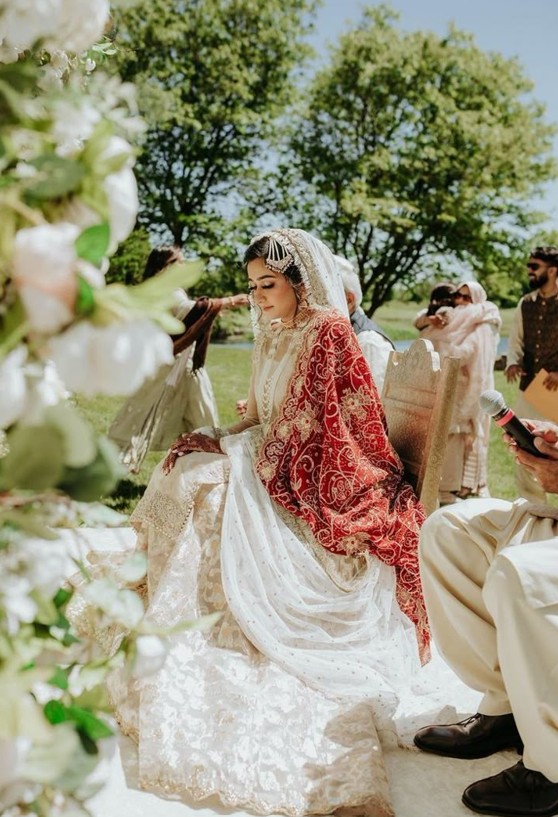
A Deep Dive into Changing Marriage Dynamics in Modern Bangladesh
Introduction: A Quiet Revolution in Marriage
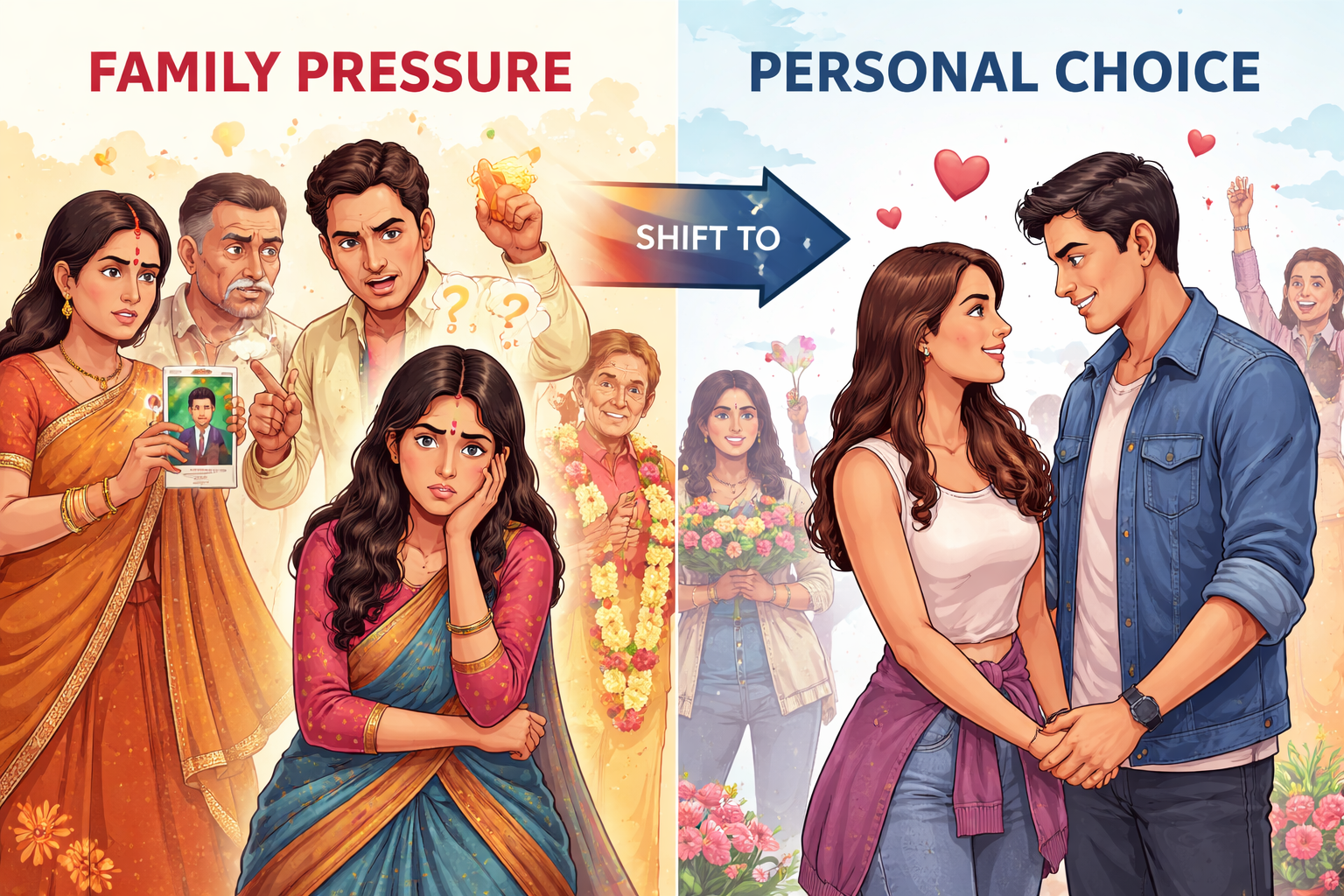
Marriage has always been one of the most significant social institutions in Bangladesh. For generations, it was guided largely by family decisions, social expectations, and cultural traditions. Parents, elders, and extended relatives played a dominant role in choosing life partners, often prioritizing family reputation, financial stability, and social compatibility over individual emotions.
However, in recent years, a noticeable shift has begun—especially in urban areas like Dhaka, Gulshan, Banani, and Baridhara. Today’s generation is increasingly moving away from family-driven decisions toward personal choice in marriage. This transformation is not loud or rebellious, but rather subtle, gradual, and deeply impactful.
This blog explores this shift in detail—its causes, challenges, implications, and how services like Gulshan Marriage Media are helping bridge the gap between tradition and modernity.
The Traditional Structure: Family as the Decision-Maker
In traditional Bangladeshi society, marriage was rarely an individual decision. It was seen as a union between two families rather than two individuals.
Key Characteristics of Traditional Marriage:
- Parents selected the partner
- Emphasis on family background and social status
- Limited or no interaction between the bride and groom before marriage
- Strong influence of community opinions
- Obedience to elders considered a virtue
This system worked well in a time when society was more homogeneous, and individual aspirations were closely aligned with family expectations.
The Rise of Personal Choice
The concept of personal choice in marriage is not entirely new, but its acceptance has grown significantly in the last decade.
What Does Personal Choice Mean Today?
- Individuals have the final say in choosing their partner
- Emotional compatibility is prioritized
- Couples communicate and understand each other before commitment
- Career, lifestyle, and values are key considerations
- Family involvement still exists but is less controlling
This shift does not necessarily reject tradition; instead, it redefines it.
Factors Driving This Transformation
- Education and Awareness
Higher education has played a major role in changing perspectives. Educated individuals are more likely to question traditional norms and prioritize compatibility, communication, and mutual respect.
They understand that marriage is not just about social acceptance—it is about lifelong partnership.
- Financial Independence
With more women joining the workforce and men becoming career-focused, financial independence has increased.
This independence allows individuals to:
- Make their own decisions
- Delay marriage until they feel ready
- Choose partners based on compatibility rather than necessity
- Urbanization and Lifestyle Changes
Cities like Dhaka have exposed people to diverse cultures and lifestyles. Urban living promotes individuality and self-expression.
In places like Gulshan, people often interact with colleagues from different backgrounds, which broadens their understanding of relationships.
- Influence of Technology and Social Media
Social media and digital platforms have changed how people perceive relationships.
- Exposure to global relationship norms
- Increased communication opportunities
- Access to information and advice
While technology has its downsides, it has undeniably empowered individuals to take control of their personal lives.
- Changing Family Dynamics
Modern families are becoming more open-minded. Many parents now:
- Encourage their children to express preferences
- Value their children’s happiness over societal pressure
- Act as advisors rather than decision-makers
The Emotional Side of the Shift
This transition is not just social—it is deeply emotional.
For Individuals:
- Greater sense of control and confidence
- Ability to choose someone they truly connect with
- Reduced regret and resentment
For Families:
- Fear of losing control
- Concern about societal judgment
- Difficulty adapting to new norms
This emotional tension often creates a delicate balance between independence and respect.
Challenges of Personal Choice in Marriage
While personal choice offers many benefits, it also comes with its own set of challenges.
- Overwhelming Options
With more freedom comes more choices, which can lead to confusion and indecision.
- Unrealistic Expectations
Exposure to idealized relationships on social media can create unrealistic standards.
- Conflict with Family Expectations
Not all families adapt easily. Differences in opinion can lead to stress and conflict.
- Fear of Making the Wrong Decision
When individuals take full responsibility, the fear of making a mistake increases.
The Role of Gulshan Marriage Media
In this evolving landscape, Gulshan Marriage Media plays a crucial role as a bridge between tradition and modernity.
- Respecting Personal Choice
The service prioritizes individual preferences while ensuring family compatibility.
- Providing Structured Guidance
Instead of leaving individuals overwhelmed, it offers curated matches based on:
- Lifestyle
- Education
- Values
- Long-term goals
- Ensuring Privacy and Trust
In urban societies, privacy is essential. Gulshan Marriage Media ensures confidentiality at every step.
- Balancing Family Involvement
The service includes families in the process without letting them dominate the decision.
Case Study: A Modern Matchmaking Journey
Consider a young professional in Gulshan—successful, independent, and clear about her expectations. Her family wants her to marry soon, but she is not willing to compromise on compatibility.
Through Gulshan Marriage Media:
- She shares her preferences
- Profiles are carefully selected
- Family is involved in discussions
- Final decision remains hers
This balanced approach leads to a successful and satisfying outcome.
Love Marriage vs Arranged Marriage: The Blurred Line
The traditional distinction between love and arranged marriage is fading.
Today’s Reality:
- Many arranged marriages involve mutual understanding before commitment
- Love marriages often seek family approval
- A hybrid model is emerging
This hybrid approach combines the best of both worlds.
The Importance of Compatibility
In the era of personal choice, compatibility has become the cornerstone of marriage.
Key Areas of Compatibility:
- Emotional
- Intellectual
- Financial
- Lifestyle
- Family values
Without these, even the most promising relationships can struggle.
Gender Roles and Changing Expectations
The shift toward personal choice has also impacted gender roles.
For Women:
- Greater autonomy
- Career prioritization
- Equal say in decisions
For Men:
- Increased emotional responsibility
- Openness to partnership rather than authority
This change promotes equality and mutual respect.
The Social Impact of This Shift
Positive Effects:
- Happier marriages
- Reduced forced marriages
- Greater gender equality
Negative Concerns:
- Delayed marriages
- Increased expectations
- Social criticism
How to Balance Family and Personal Choice
Finding the right balance is key.
Practical Tips:
- Communicate openly with family
- Respect their concerns
- Stay firm on core values
- Seek professional guidance if needed
The Future of Marriage in Bangladesh
The trend toward personal choice is likely to continue.
What to Expect:
- Greater acceptance of individual decisions
- More professional matchmaking services
- Increased focus on compatibility
- Continued blending of tradition and modernity
Why This Shift Matters
This transformation is not just about marriage—it reflects a broader societal change toward:
- Individual freedom
- Emotional awareness
- Mutual respect
It signifies progress while preserving cultural identity.
Conclusion: A New Definition of Marriage
The shift from family pressure to personal choice is redefining marriage in Bangladesh. It is creating a more balanced, thoughtful, and meaningful approach to one of life’s most important decisions.
Services like Gulshan Marriage Media are playing a vital role in this transition by offering a platform where tradition meets modernity, and where individuals can find partners who truly align with their values and aspirations.
Marriage is no longer just about fulfilling expectations—it is about building a partnership based on understanding, respect, and shared dreams.
Choosing a life partner is a deeply personal journey. While family guidance remains valuable, the ultimate decision must come from the individuals involved.
In this new era, the most successful marriages will be those that combine:
- The wisdom of tradition
- The freedom of choice
- The strength of mutual understanding
And in that balance lies the true essence of a happy and lasting marriage.
The Shift from Family Pressure to Personal Choice in Marriage (Extended Insights)
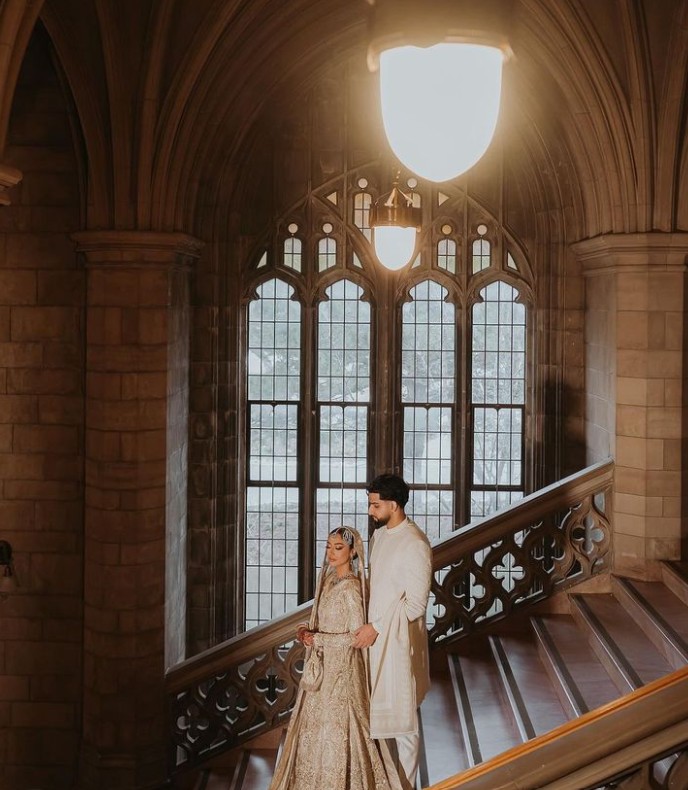
The Inner Conflict: When Heart and Family Collide
One of the most defining aspects of this transition is the internal conflict individuals experience. This is not simply a social change—it is deeply personal.
Many young adults in Dhaka today find themselves standing at a crossroads:
- On one side: family expectations, traditions, and emotional obligations
- On the other: personal desires, compatibility, and self-fulfillment
This conflict often leads to:
- Anxiety and overthinking
- Delayed decision-making
- Emotional burnout
For many, saying “no” to family feels like disrespect, while saying “yes” to an incompatible match feels like self-betrayal.
This emotional tension is one of the biggest hidden challenges of modern marriage decisions.
The Role of Emotional Intelligence in Modern Marriage
As personal choice becomes more important, emotional intelligence (EQ) plays a crucial role in selecting a life partner.
Why EQ Matters More Than Ever
In traditional setups, compatibility was assumed based on family background. Today, individuals must evaluate compatibility themselves.
Key emotional intelligence factors include:
- Self-awareness: Understanding your own needs and limitations
- Empathy: Understanding your partner’s emotions
- Communication: Expressing feelings clearly
- Conflict resolution: Handling disagreements maturely
Without emotional intelligence, even the most “perfect” matches can fail.
The Pressure to Be Perfect: A New Kind of Stress
While family pressure is decreasing, a new kind of pressure is emerging—the pressure to make the “perfect choice.”
Individuals now feel responsible for:
- Choosing the right partner
- Avoiding mistakes
- Ensuring long-term happiness
This creates a mindset where people:
- Overanalyze every detail
- Fear commitment
- Keep searching for something better
Ironically, too much freedom can sometimes make decisions harder.
The Impact of Delayed Marriages
As personal choice increases, the age of marriage is also rising.
Why Are People Marrying Later?
- Career priorities
- Financial goals
- Fear of wrong decisions
- Difficulty finding compatible partners
Social Reactions
Despite modernization, society still questions delayed marriages:
- “Why are you still single?”
- “Is something wrong?”
This creates external pressure, even for those who value independence.
The Rise of Self-Discovery Before Marriage
Modern individuals are focusing more on self-discovery before committing to marriage.
What Does This Look Like?
- Understanding personal goals
- Exploring career paths
- Building emotional maturity
- Learning from past relationships
This phase is crucial because:
👉 You cannot choose the right partner if you don’t know yourself.
The Influence of Career on Marriage Decisions
Career plays a central role in modern marriage choices, especially in areas like Gulshan.
Key Considerations:
- Work-life balance
- Career compatibility
- Location flexibility
- Financial expectations
Many individuals now seek partners who:
- Understand their professional commitments
- Support their ambitions
- Share similar work ethics
The Changing Definition of “Ideal Partner”
In the past, an ideal partner was defined by:
- Family status
- Financial stability
- Social reputation
Today, the definition has expanded to include:
- Emotional support
- Shared values
- Mutual respect
- Growth mindset
This shift reflects a deeper understanding of what makes relationships successful.
The Fear of Judgment: Society Still Watches
Even as individuals gain independence, societal judgment remains a powerful force.
Common Concerns:
- “What will people say?”
- “Will this match be socially accepted?”
- “How will relatives react?”
This fear often influences decisions, even when individuals want to prioritize personal choice.
The Role of Communication in Bridging the Gap
Open communication is essential in balancing family expectations and personal desires.
Effective Communication Strategies:
- Be honest but respectful
- Explain your perspective clearly
- Listen to family concerns
- Find common ground
When communication improves, conflicts decrease.
The Emergence of Hybrid Matchmaking
The modern marriage system is evolving into a hybrid model:
Features of Hybrid Matchmaking:
- Family involvement + individual decision
- Professional guidance + personal interaction
- Tradition + modern compatibility
Gulshan Marriage Media operates within this hybrid model, offering the best of both worlds.
The Importance of Trust in the Decision-Making Process
Trust is a critical factor in modern matchmaking:
Types of Trust:
- Self-trust: Confidence in your own decisions
- Partner trust: Belief in your partner’s intentions
- Family trust: Confidence that your family supports you
Without trust, even the best matches can fail.
Gender Equality and Its Impact on Marriage
The shift toward personal choice has significantly improved gender equality.
For Women:
- Greater decision-making power
- Ability to reject unsuitable matches
- Focus on career and independence
For Men:
- Increased responsibility in emotional compatibility
- Acceptance of equal partnerships
This balance creates healthier relationships.
The Role of Professional Matchmakers in Modern Society
Professional matchmaking services are becoming increasingly relevant.
Why People Prefer Professional Services:
- Time-saving
- Verified profiles
- Expert guidance
- Privacy protection
Gulshan Marriage Media provides structured support, reducing confusion and risk.
The Psychological Impact of Rejected Proposals
In a system based on personal choice, rejection becomes more common.
Emotional Effects:
- Self-doubt
- Frustration
- Loss of confidence
How to Handle Rejection:
- Don’t take it personally
- Learn from the experience
- Stay open to new opportunities
Rejection is part of the journey, not the end.
The Importance of Realistic Expectations
One of the biggest challenges today is unrealistic expectations.
Common Unrealistic Beliefs:
- Expecting perfection
- Comparing with others
- Influenced by social media
Reality Check:
👉 No relationship is perfect. Compatibility matters more than perfection.
The Role of Compatibility Over Chemistry
While attraction is important, long-term success depends on compatibility.
Key Compatibility Factors:
- Values
- Lifestyle
- Communication style
- Life goals
Chemistry may start a relationship, but compatibility sustains it.
The Growing Importance of Mental Health
Mental health is now a significant factor in marriage decisions.
Why It Matters:
- Emotional stability affects relationships
- Stress and anxiety impact communication
- Awareness leads to healthier choices
Modern individuals are more conscious of mental well-being.
The Influence of Global Culture
Exposure to global cultures has reshaped expectations.
Key Influences:
- Western relationship models
- Individual independence
- Open communication
However, balancing global ideas with local values is essential.
The Risk of Decision Fatigue
Too many options can lead to decision fatigue.
Symptoms:
- Indecision
- Constant doubt
- Delayed commitments
Solution:
- Set clear priorities
- Limit choices
- Seek guidance
The Role of Patience in Finding the Right Match
In a fast-paced world, patience is often overlooked.
Why Patience Matters:
- Good matches take time
- Rushed decisions lead to mistakes
- Understanding takes effort
The Transformation of Family Roles
Families are no longer strict decision-makers—they are becoming supporters.
Modern Family Roles:
- Advisors
- Emotional support systems
- Facilitators of communication
This transformation is crucial for harmony.
The Future of Personal Choice in Marriage
The trend toward personal choice will continue to grow.
Future Predictions:
- More independence
- Greater acceptance of diverse choices
- Increased reliance on professional matchmaking
Gulshan Marriage Media: A Modern Solution
In this changing landscape, Gulshan Marriage Media provides:
- Personalized matchmaking
- Verified profiles
- Confidential services
- Balanced family involvement
It helps individuals navigate the complexities of modern marriage decisions.
Final Extended Conclusion
The shift from family pressure to personal choice is one of the most significant social transformations in modern Bangladesh. It reflects a deeper understanding of relationships, individuality, and emotional well-being.
However, this shift is not about rejecting tradition—it is about evolving it.
The most successful marriages today are those that:
- Respect family values
- Embrace personal choice
- Prioritize compatibility
- Encourage mutual growth
In this journey, guidance matters. Support matters. And making informed decisions matters most.
Gulshan Marriage Media stands as a trusted partner in this journey—helping individuals move from confusion to clarity, from pressure to choice, and from uncertainty to meaningful connection.
In the end, the shift from family pressure to personal choice represents more than just a change in how marriages are arranged—it reflects a transformation in how individuals view their own lives. People are no longer willing to settle for relationships that look good on paper but lack emotional depth. They want understanding, respect, and genuine connection. At the same time, families are slowly learning that happiness cannot be forced; it must be chosen. This evolving balance between guidance and independence is shaping a new generation of marriages—ones that are not only socially acceptable but also emotionally fulfilling and truly sustainable in the long run.
শেষ কথা (Final Thought)
Marriage is no longer just about “finding someone.”
It is about choosing someone—wisely, consciously, and confidently.
And that choice defines not just a relationship, but an entire life.