




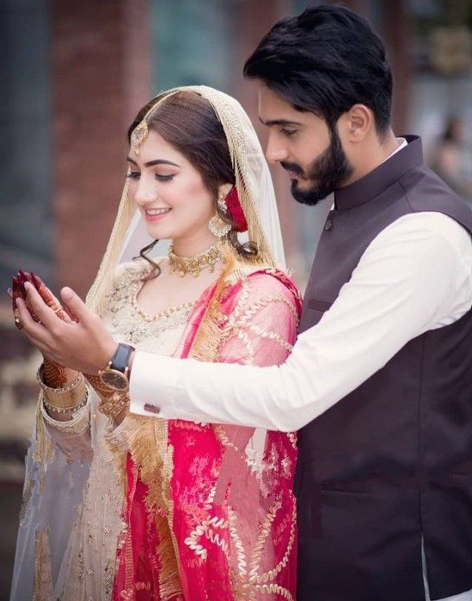
Marriage in Islam and the Importance of Choosing the Right Partner
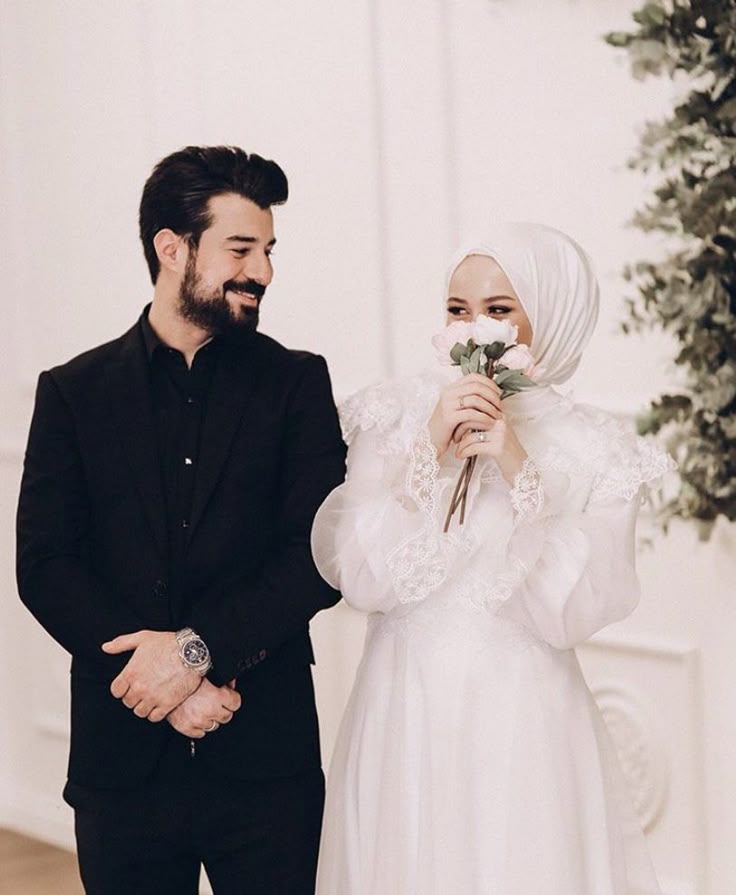
Marriage in Islam is not merely a social contract or a cultural tradition; it is a sacred institution, a form of worship (ibadah), and a means of achieving spiritual, emotional, and social balance. From the Qur’an to the Sunnah of Prophet Muhammad ﷺ, marriage is emphasized as a foundation for building righteous individuals, stable families, and ultimately a healthy society.
In today’s fast-paced and complex world—where relationships are often temporary, values are shifting, and trust is fragile—the Islamic guidance on marriage remains more relevant than ever. Islam provides a comprehensive framework not only for marriage itself but also for choosing the right partner, nurturing the relationship, and maintaining harmony between spouses and families.
This article explores marriage in Islam in depth, focusing especially on why choosing the right partner is crucial, what Islam teaches about compatibility, character, faith, and responsibility, and how these teachings can guide Muslims in modern times.
- The Concept of Marriage in Islam
Marriage as a Divine Institution
Islam views marriage (Nikah) as a divinely ordained institution. Allah says in the Qur’an:
“And among His signs is this: that He created for you mates from among yourselves, that you may find tranquility in them, and He placed between you affection and mercy. Indeed in that are signs for a people who reflect.”
(Surah Ar-Rum 30:21)
This verse highlights three key purposes of marriage:
- Sukoon (tranquility)
- Mawaddah (love and affection)
- Rahmah (mercy and compassion)
Marriage in Islam is meant to bring peace to the heart, stability to life, and emotional fulfillment—not chaos, fear, or insecurity.
Marriage as an Act of Worship
Prophet Muhammad ﷺ said:
“Marriage is part of my Sunnah, and whoever turns away from my Sunnah is not from me.”
(Ibn Majah)
When entered with the right intention, marriage becomes an act of worship. Earning halal income to support a spouse, being kind to one’s partner, raising righteous children—all of these are rewarded by Allah.
Thus, marriage is not separate from faith; it is deeply connected to it.
- The Purpose of Marriage in Islam
Islam defines marriage with clear objectives:
- Protection of Faith and Morality
Marriage provides a lawful means to fulfill natural desires and protects individuals from zina (immorality). The Prophet ﷺ said:
“O young people, whoever among you can afford it, let him marry, for it lowers the gaze and guards chastity.”
(Bukhari & Muslim)
- Emotional and Psychological Stability
Human beings are not created to live in isolation. Marriage provides companionship, emotional support, and a sense of belonging.
- Building a Righteous Family
Family is the basic unit of society in Islam. A strong marriage leads to righteous children, which strengthens the Ummah.
- Social Responsibility and Balance
Marriage teaches responsibility, patience, compromise, leadership, and mercy—qualities essential for personal growth and societal harmony.
- Why Choosing the Right Partner Is So Important in Islam
Marriage is not temporary in Islam. It is meant to be a lifelong commitment. Choosing the wrong partner can lead to:
- Emotional suffering
- Broken families
- Divorce
- Harm to children
- Weakening of faith
- Social instability
This is why Islam places great emphasis on careful, thoughtful, and principled partner selection.
Marriage Is Not Just About Two People
In Islam, marriage connects:
- Two individuals
- Two families
- Two value systems
- Two future legacies
A wrong choice can affect generations.
- The Primary Criterion: Deen (Faith)
Faith Comes First
The Prophet Muhammad ﷺ clearly outlined the most important criterion:
“A woman is married for four things: her wealth, her lineage, her beauty, and her religion. So choose the one who is religious, may your hands be rubbed with dust.”
(Bukhari & Muslim)
This principle applies equally to men and women.
Why Deen Matters Most
A person with strong faith:
- Fears Allah
- Knows their responsibilities
- Respects marriage as sacred
- Avoids betrayal and injustice
- Strives for halal living
Beauty fades. Wealth fluctuates. Social status changes. But faith anchors a marriage through every phase of life.
- Character and Manners: The True Beauty
Islam places immense importance on akhlaq (character).
The Prophet ﷺ said:
“When someone whose religion and character you are pleased with comes to you (with a proposal), then marry him.”
(Tirmidhi)
Key Character Traits to Look For
- Honesty
- Kindness
- Patience
- Humility
- Responsibility
- Emotional maturity
- Respect toward parents and elders
Good character ensures:
- Healthy communication
- Conflict resolution without abuse
- Emotional safety
- Mutual respect
- Compatibility in Islam (Kafa’ah)
Islam recognizes the importance of compatibility, known as kafa’ah. While faith remains central, other aspects also matter.
Types of Compatibility
- Religious practice level
- Education and intellect
- Lifestyle expectations
- Cultural background
- Family values
- Emotional temperament
Compatibility does not mean perfection—it means balance and understanding.
- The Role of Family in Choosing a Partner
Islam encourages family involvement in marriage, especially parents and guardians (wali).
Wisdom Behind Family Involvement
- Parents have life experience
- They observe long-term patterns
- They protect emotional and social well-being
- They ensure serious intentions
However, Islam also strongly condemns forced marriage. Consent is mandatory.
The Prophet ﷺ annulled marriages where consent was violated, emphasizing personal choice within Islamic boundaries.
- Istikhara: Seeking Allah’s Guidance
One of Islam’s greatest gifts in decision-making is Salat al-Istikhara.
Why Istikhara Is Important
Marriage decisions involve uncertainty. Istikhara:
- Places trust in Allah
- Brings peace to the heart
- Opens or closes doors naturally
- Protects from unseen harm
Istikhara does not always come as dreams—it often manifests as ease or discomfort in the path.
- Common Mistakes in Choosing a Partner
Despite Islamic guidance, many people make avoidable mistakes:
- Prioritizing Beauty Over Character
Physical attraction matters, but it should never overshadow faith and character.
- Ignoring Red Flags
Anger issues, dishonesty, disrespect toward parents, or lack of responsibility should never be ignored.
- Marrying Due to Pressure
Family or social pressure leads to resentment and long-term unhappiness.
- Rushing the Process
Marriage requires reflection, consultation, and patience.
- The Rights and Responsibilities in Marriage
Choosing the right partner is also about understanding responsibilities.
Husband’s Responsibilities
- Financial maintenance
- Protection
- Kind treatment
- Leadership with compassion
Wife’s Responsibilities
- Cooperation
- Respect
- Protection of family trust
- Emotional support
Marriage succeeds when both partners fulfill their roles with sincerity.
- Marriage as a Means of Spiritual Growth
A righteous spouse helps:
- Strengthen faith
- Encourage prayer
- Promote halal living
- Raise righteous children
- Grow closer to Allah together
Many scholars say marriage completes half of one’s faith—not just in form, but in practice.
- Marriage in the Modern World: Islamic Principles Still Apply
Today’s world presents new challenges:
- Career pressures
- Digital distractions
- Social media influence
- Materialism
- Individualism
Yet Islamic principles remain timeless. Faith, character, compatibility, family respect, and responsibility are still the strongest foundations for a successful marriage.
- The Role of Responsible Matchmaking
In a world where traditional networks are shrinking, responsible marriage facilitation plays an important role.
Islam encourages:
- Transparency
- Honesty
- Serious intention
- Family involvement
- Halal interaction
Ethical matchmaking helps individuals and families find suitable partners without compromising Islamic values.
- A Successful Islamic Marriage: What It Looks Like
A successful marriage in Islam is not one without problems—but one where:
- Problems are solved with patience
- Decisions are guided by faith
- Communication is respectful
- Love is nurtured with mercy
- Differences are handled wisely
Such marriages become a source of peace not only for the couple but for society.
Marriage in Islam is a sacred journey—one that shapes faith, family, and future generations. Choosing the right partner is not about perfection, status, or convenience. It is about faith, character, compatibility, and intention.
Islam provides clear guidance because Allah knows human nature better than anyone else.
When marriage is approached with:
- Sincere intention
- Islamic principles
- Family wisdom
- Prayer and patience
It becomes a source of tranquility in this world and reward in the Hereafter.
“Our Lord, grant us from among our spouses and offspring comfort to our eyes and make us an example for the righteous.”
(Surah Al-Furqan 25:74)
Marriage in Islam and the Importance of Choosing the Right Partner
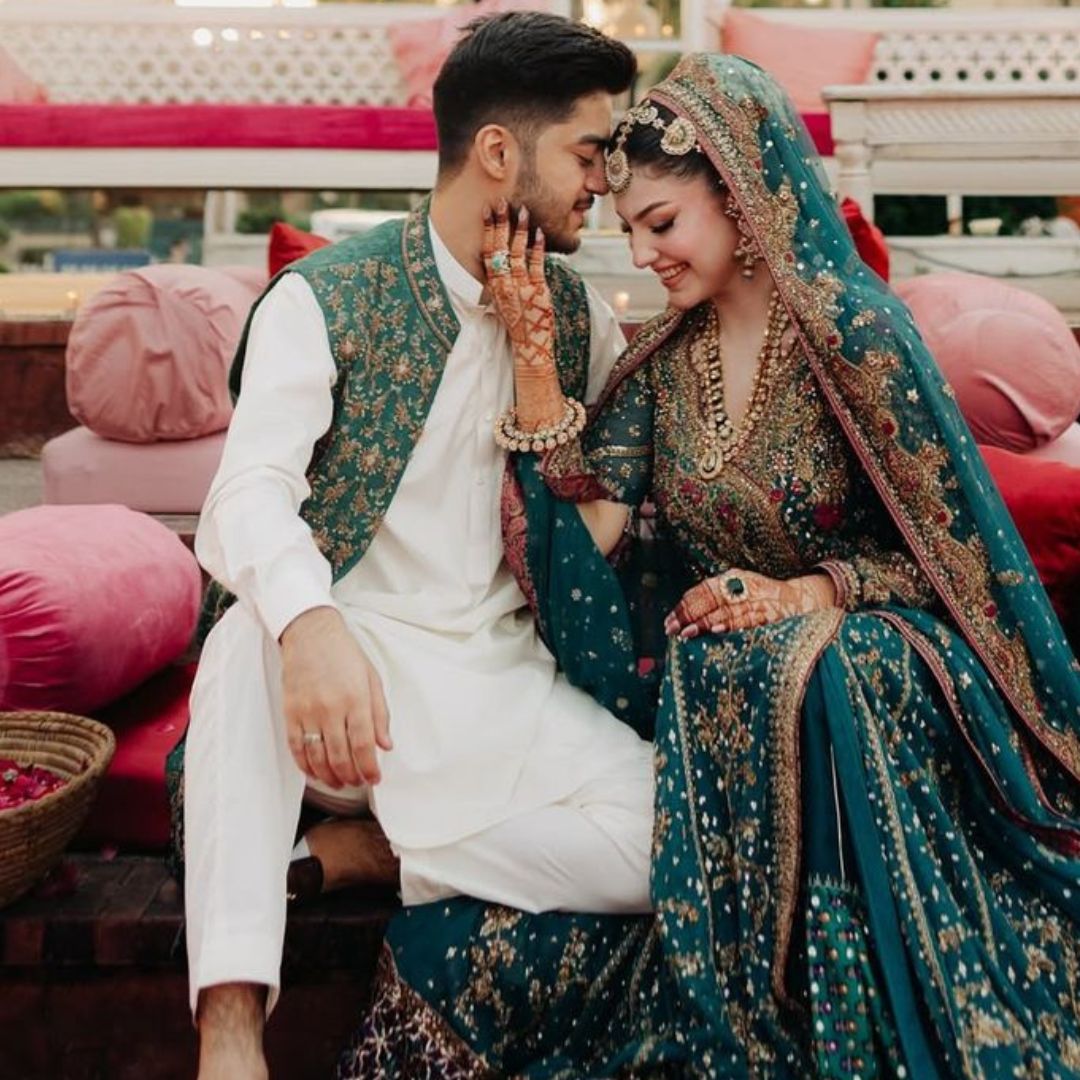
Marriage in Islam is not a momentary decision or a social milestone—it is a lifelong covenant that shapes faith, character, emotional well-being, family harmony, and even the spiritual future of generations to come. While the earlier sections explored the foundations, this extended continuation delves deeper into practical realities, modern challenges, gender-specific guidance, pre-marital awareness, and long-term marital success from an Islamic perspective.
In a time when divorce rates are rising and emotional dissatisfaction is common, Islamic guidance offers clarity, balance, and timeless wisdom.
- Emotional Intelligence in an Islamic Marriage
One of the most overlooked aspects of choosing the right partner is emotional intelligence.
Islam does not promote emotional suppression. The Prophet ﷺ himself was emotionally aware, gentle, expressive, and compassionate with his wives.
Why Emotional Intelligence Matters
A spouse with emotional intelligence:
- Communicates without aggression
- Listens without judgment
- Responds instead of reacting
- Understands emotional needs
- Handles conflict calmly
Many marital problems arise not from lack of love, but from lack of emotional understanding.
Signs of Emotional Maturity
When considering a partner, look for:
- Ability to apologize
- Calmness during disagreements
- Respectful communication
- Accountability for mistakes
- Empathy toward others
A person who cannot control anger before marriage will not magically change after Nikah.
- The Role of Communication in Choosing a Partner
Islam encourages clear, honest, and respectful communication even before marriage—within halal boundaries.
What Should Be Discussed Before Marriage
- Expectations about family involvement
- Career goals
- Financial responsibilities
- Living arrangements
- Religious practice
- Views on children and parenting
- Conflict resolution styles
Avoiding these conversations leads to misunderstanding later.
Islamic Balance
Islam allows communication for the purpose of marriage as long as:
- Intentions are clear
- Modesty is maintained
- Family or guardians are aware
- No emotional attachment forms before commitment
- Financial Responsibility and Stability in Marriage
Islam does not require wealth for marriage, but it does require responsibility.
What Islam Emphasizes
- Halal earning
- Willingness to provide
- Financial honesty
- Avoiding extravagance
- Living within means
The Prophet ﷺ married some of his wives when he had very little materially, yet he was always rich in responsibility and integrity.
Warning Signs
- Irresponsible spending
- Debt without accountability
- Laziness toward work
- Expectation of luxury without effort
Financial stability is not about income—it is about discipline and amanah (trustworthiness).
- Gender-Specific Guidance in Choosing a Spouse
Islam provides balanced guidance for both men and women.
For Men: Choosing a Wife
Men should look for:
- Piety and modesty
- Emotional maturity
- Good character
- Respect for family
- Willingness to build a home, not just enjoy comfort
A wife is not a servant, nor a trophy—she is a partner in faith and life.
For Women: Choosing a Husband
Women should look for:
- Strong deen
- Gentle behavior
- Sense of responsibility
- Respectful attitude toward women
- Emotional stability
A man who disrespects his mother or sisters is unlikely to treat his wife well.
- Marriage and Mental Well-Being in Islam
Islam recognizes emotional and psychological health.
Mental Health Matters
Marriage is not a cure for:
- Anger issues
- Addiction
- Emotional instability
- Narcissism
- Unresolved trauma
A righteous marriage requires self-awareness and healing.
Islam encourages:
- Seeking help
- Consulting elders
- Counseling
- Self-improvement
Choosing a partner who refuses accountability or denies emotional problems is risky.
- The Importance of Shared Life Vision
A successful marriage requires a shared direction.
Ask:
- What kind of life do we want?
- How do we practice Islam daily?
- Where do we see ourselves in 10 years?
- How do we raise children?
Differences are natural—but core values must align.
- Red Flags Islam Warns Us About
Islam teaches believers to be alert and wise.
Serious Red Flags
- Dishonesty
- Extreme jealousy
- Controlling behavior
- Disrespect toward parents
- Frequent anger
- Lack of accountability
- Disregard for prayer or halal boundaries
Love should never blind judgment.
- Consent, Choice, and Dignity in Islamic Marriage
Islam upholds human dignity.
Consent Is Mandatory
A woman cannot be married without her consent. Silence does not mean agreement if fear is involved.
The Prophet ﷺ invalidated forced marriages.
Marriage Is a Choice, Not a Trap
Islam allows divorce as a last resort—not as encouragement, but as protection from oppression.
Choosing wisely prevents pain later.
- The Role of Dua in Choosing the Right Partner
Dua is not optional—it is essential.
The Prophet ﷺ made dua for:
- Good spouses
- Righteous offspring
- Peaceful homes
A believer should ask Allah:
- For clarity
- For protection from harm
- For guidance beyond emotions
Dua aligns the heart with divine wisdom.
- Marriage as a Test and a Mercy
Every marriage will face:
- Trials
- Misunderstandings
- Stress
- Change
Islam teaches patience (sabr) and gratitude (shukr).
A good spouse:
- Supports during hardship
- Reminds you of Allah
- Brings peace, not fear
Marriage is both a test and a means of mercy.
- Raising Children Starts with Choosing the Right Partner
Parenting begins before marriage.
Children learn from:
- How parents treat each other
- Emotional environment
- Religious consistency
- Conflict handling
A righteous spouse creates a righteous home.
- Marriage and Society: Why This Choice Matters Publicly
Marriage affects:
- Family stability
- Social morality
- Community health
- Emotional well-being of children
One healthy marriage contributes to a healthier Ummah.
- Modern Challenges to Islamic Marriage
Today’s challenges include:
- Social media comparison
- Unrealistic expectations
- Delayed marriage
- Fear of commitment
- Career vs family tension
Islam encourages balance—not extremes.
- Preparing Yourself Before Marriage
Before seeking a spouse, ask:
- Am I emotionally ready?
- Do I understand responsibility?
- Can I communicate respectfully?
- Am I spiritually consistent?
Marriage requires self-preparation, not just partner selection.
- Marriage Is a Journey, Not a Destination
Nikah is the beginning—not the end.
A successful marriage requires:
- Continuous effort
- Growth
- Forgiveness
- Learning
- Renewed intention
Those who view marriage as an ongoing ibadah find contentment.
- A Model Islamic Marriage: Lessons from the Prophet ﷺ
The Prophet ﷺ was:
- Gentle
- Patient
- Playful
- Supportive
- Emotionally present
He helped in household work, listened, comforted, and respected.
His marriages were built on mercy, not dominance.
- Choosing the Right Partner Protects Faith
A spouse influences:
- Prayer habits
- Halal choices
- Moral discipline
- Children’s faith
A righteous partner strengthens iman.
A careless partner weakens it.
- Final Reflection: Marriage as a Trust from Allah
Marriage is an amanah.
Choosing the right partner is not about:
- Impressing society
- Avoiding loneliness
- Financial comfort alone
It is about:
- Building a home pleasing to Allah
- Supporting each other toward Jannah
- Creating peace in this world
Final Conclusion
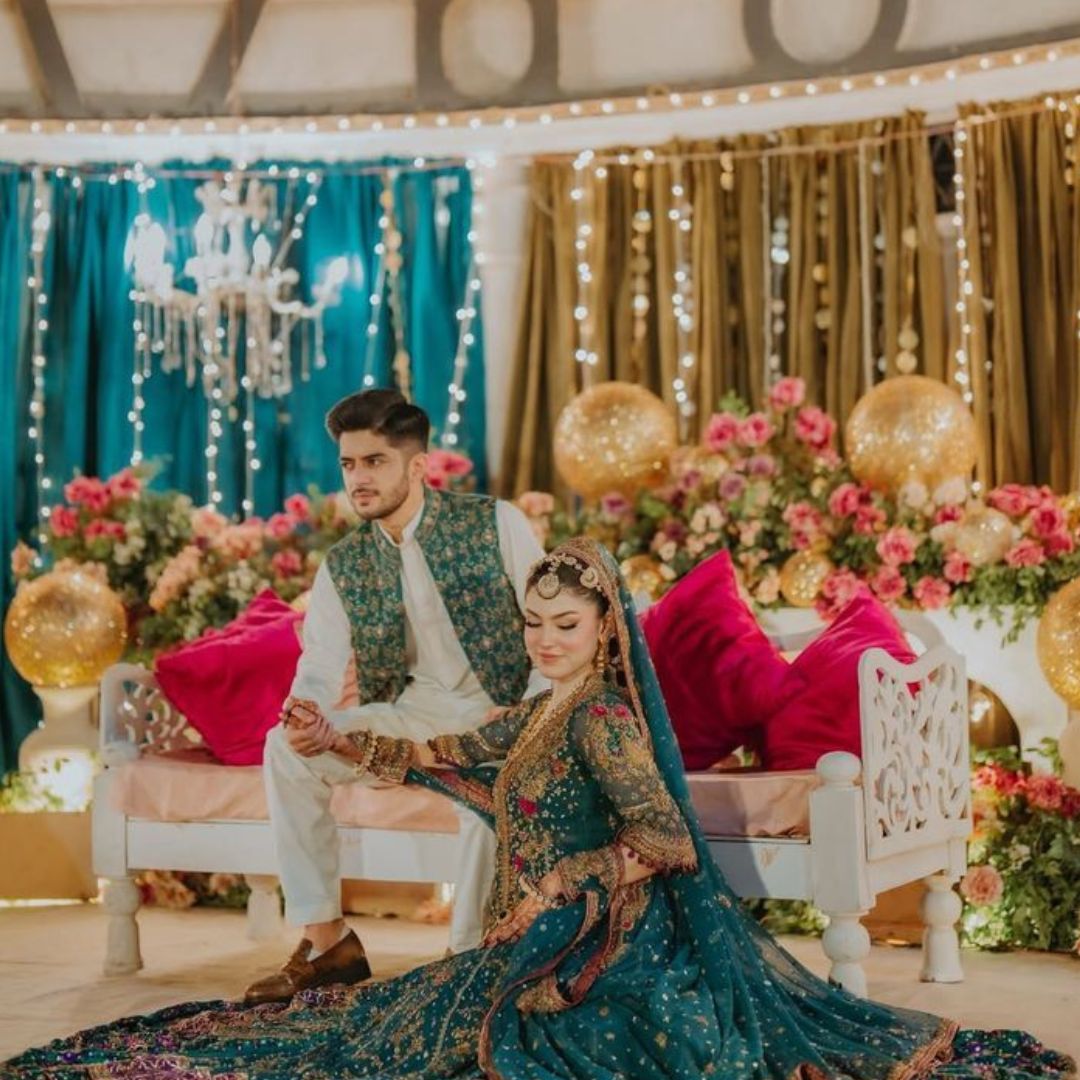
Marriage in Islam is a sacred, purposeful, and transformative journey. Choosing the right partner is one of the most important decisions a Muslim will ever make—because it affects faith, emotional health, family, children, and the Hereafter.
Islam does not promise a perfect spouse—but it provides perfect guidance.
When marriage is built on:
- Faith
- Character
- Responsibility
- Mutual respect
- Prayer and patience
It becomes a source of tranquility in dunya and reward in akhirah.
“And Allah knows, while you do not know.”
(Surah Al-Baqarah 2:216)
Trust His wisdom—and choose wisely.
Marriage in Islam is ultimately about building a home of sakinah (tranquility) where hearts find peace and souls grow closer to Allah. Choosing the right partner is not about perfection, but about shared commitment to faith, patience, and growth. When spouses support each other through challenges, remind one another of prayer, and forgive sincerely, marriage becomes a means of spiritual elevation. Islam teaches that a successful marriage is not measured by luxury or public display, but by respect, mercy, and consistency in righteousness. Those who choose wisely and nurture their bond with sincerity find that marriage becomes one of the greatest blessings of life—bringing stability, love, and lasting reward in both this world and the Hereafter.